\" plugin_version.type = \"hidden\" form.appendChild(plugin_version) var wordpress_version = document.createElement(\"input\") wordpress_version.name = \"wordpress_version\" wordpress_version.id = \"wordpress_version\" wordpress_version.value = '$wp_version' wordpress_version.type = \"hidden\" form.appendChild(wordpress_version) } },200); "; } else { echo ''; } } else { echo ''; } } else { echo ""; return; } } } /** * Google analytics . */ function ga_footer() { if ( ! ( defined( 'DOING_AJAX' ) && DOING_AJAX ) ) { $banner_discarded_count = get_option( 'sm_beta_banner_discarded_count' ); if ( 1 === $banner_discarded_count || '1' === $banner_discarded_count ) { echo ''; } } } /** * Check if the requirements of the sitemap plugin are met and loads the actual loader * * @package sitemap * @since 4.0 */ function sm_setup() { $fail = false; // Check minimum PHP requirements, which is 5.2 at the moment. if ( version_compare( PHP_VERSION, '5.2', '<' ) ) { add_action( 'admin_notices', 'sm_add_php_version_error' ); $fail = true; } // Check minimum WP requirements, which is 3.3 at the moment. if ( version_compare( $GLOBALS['wp_version'], '3.3', '<' ) ) { add_action( 'admin_notices', 'sm_add_wp_version_error' ); $fail = true; } if ( ! $fail ) { require_once trailingslashit( dirname( __FILE__ ) ) . 'class-googlesitemapgeneratorloader.php'; } } /** * Adds a notice to the admin interface that the WordPress version is too old for the plugin * * @package sitemap * @since 4.0 */ function sm_add_wp_version_error() { /* translators: %s: search term */ echo '

' . esc_html( __( 'Your WordPress version is too old for XML Sitemaps.', 'google-sitemap-generator' ) ) . '
' . esc_html( sprintf( __( 'Unfortunately this release of Google XML Sitemaps requires at least WordPress %4$s. You are using WordPress %2$s, which is out-dated and insecure. Please upgrade or go to active plugins and deactivate the Google XML Sitemaps plugin to hide this message. You can download an older version of this plugin from the plugin website.', 'google-sitemap-generator' ), 'plugins.php?plugin_status=active', esc_html( $GLOBALS['wp_version'] ), 'http://www.arnebrachhold.de/redir/sitemap-home/', '3.3' ) ) . '

'; } /** * Adds a notice to the admin interface that the WordPress version is too old for the plugin * * @package sitemap * @since 4.0 */ function sm_add_php_version_error() { /* translators: %s: search term */ echo '

' . esc_html( __( 'Your PHP version is too old for XML Sitemaps.', 'google-sitemap-generator' ) ) . '
' . esc_html( sprintf( __( 'Unfortunately this release of Google XML Sitemaps requires at least PHP %4$s. You are using PHP %2$s, which is out-dated and insecure. Please ask your web host to update your PHP installation or go to active plugins and deactivate the Google XML Sitemaps plugin to hide this message. You can download an older version of this plugin from the plugin website.', 'google-sitemap-generator' ), 'plugins.php?plugin_status=active', PHP_VERSION, 'http://www.arnebrachhold.de/redir/sitemap-home/', '5.2' ) ) . '

'; } /** * Returns the file used to load the sitemap plugin * * @package sitemap * @since 4.0 * @return string The path and file of the sitemap plugin entry point */ function sm_get_init_file() { return __FILE__; } /** * Register beta user consent function. */ function register_consent() { if ( ! ( defined( 'DOING_AJAX' ) && DOING_AJAX ) ) { if ( is_user_logged_in() && current_user_can( 'manage_options' ) ) { if ( isset( $_POST['user_consent_yes'] ) ) { if (isset($_POST['user_consent_yesno_nonce_token']) && check_admin_referer('user_consent_yesno_nonce', 'user_consent_yesno_nonce_token')){ update_option( 'sm_user_consent', 'yes' ); } } if ( isset( $_POST['user_consent_no'] ) ) { if (isset($_POST['user_consent_yesno_nonce_token']) && check_admin_referer('user_consent_yesno_nonce', 'user_consent_yesno_nonce_token')){ update_option( 'sm_user_consent', 'no' ); } } if ( isset( $_GET['action'] ) ) { if ( 'no' === $_GET['action'] ) { if ( $_SERVER['QUERY_STRING'] ) { if( strpos( $_SERVER['QUERY_STRING'], 'google-sitemap-generator' ) ) { update_option( 'sm_show_beta_banner', 'false' ); $count = get_option( 'sm_beta_banner_discarded_count' ); if ( gettype( $count ) !== 'boolean' ) { update_option( 'sm_beta_banner_discarded_count', (int) $count + 1 ); } else { add_option( 'sm_beta_banner_discarded_on', gmdate( 'Y/m/d' ) ); update_option( 'sm_beta_banner_discarded_count', (int) 1 ); } GoogleSitemapGeneratorLoader::setup_rewrite_hooks(); GoogleSitemapGeneratorLoader::activate_rewrite(); } else { add_option( 'sm_beta_notice_dismissed_from_wp_admin', 'true' ); } } else { add_option( 'sm_beta_notice_dismissed_from_wp_admin', 'true' ); } } } if ( isset( $_POST['enable_updates'] ) ) { if (isset($_POST['enable_updates_nonce_token']) && check_admin_referer('enable_updates_nonce', 'enable_updates_nonce_token')){ if ( 'true' === $_POST['enable_updates'] ) { $auto_update_plugins = get_option( 'auto_update_plugins' ); if ( ! is_array( $auto_update_plugins ) ) { $auto_update_plugins = array(); } array_push( $auto_update_plugins, 'google-sitemap-generator/sitemap.php' ); update_option( 'auto_update_plugins', $auto_update_plugins ); } elseif ( 'false' === $_POST['enable_updates'] ) { update_option( 'sm_hide_auto_update_banner', 'yes' ); } } } /* if ( isset( $_POST['disable_plugin'] ) ) { if (isset($_POST['disable_plugin_sitemap_nonce_token']) && check_admin_referer('disable_plugin_sitemap_nonce', 'disable_plugin_sitemap_nonce_token')){ if ( strpos( $_POST['disable_plugin'], 'all_in_one' ) !== false ) { $default_value = 'default'; $aio_seo_options = get_option( 'aioseo_options', $default_value ); if ( $aio_seo_options !== $default_value ) { $aio_seo_options = json_decode( $aio_seo_options ); $aio_seo_options->sitemap->general->enable = 0; update_option( 'aioseo_options', json_encode( $aio_seo_options ) ); } } elseif( strpos( $_POST['disable_plugin'], 'wp-seo' ) !== false ) { $yoast_options = get_option( 'wpseo' ); $yoast_options['enable_xml_sitemap'] = false; update_option( 'wpseo', $yoast_options ); } } } */ } } $updateUrlRules = get_option('sm_options'); if(!isset($updateUrlRules['sm_b_rewrites2']) || $updateUrlRules['sm_b_rewrites2'] == false){ GoogleSitemapGeneratorLoader::setup_rewrite_hooks(); GoogleSitemapGeneratorLoader::activate_rewrite(); GoogleSitemapGeneratorLoader::activation_indexnow_setup(); if (isset($updateUrlRules['sm_b_rewrites2'])) { $updateUrlRules['sm_b_rewrites2'] = true; update_option('sm_options', $updateUrlRules); } else { $updateUrlRules['sm_b_rewrites2'] = true; add_option('sm_options', $updateUrlRules); update_option('sm_options', $updateUrlRules); } } if(isset($updateUrlRules['sm_links_page'] )){ $sm_links_page = intval($updateUrlRules['sm_links_page']); if($sm_links_page < 1000) { $updateUrlRules['sm_links_page'] = 1000; update_option('sm_options', $updateUrlRules); } } if(!isset($updateUrlRules['sm_b_activate_indexnow']) || $updateUrlRules['sm_b_activate_indexnow'] == false){ $updateUrlRules['sm_b_activate_indexnow'] = true; $updateUrlRules['sm_b_indexnow'] = true; update_option('sm_options', $updateUrlRules); } } function disable_plugins_callback(){ if (current_user_can('manage_options')) { check_ajax_referer('disable_plugin_sitemap_nonce', 'nonce'); $pluginList = sanitize_text_field($_POST['pluginList']); $pluginsToDisable = explode(',', $pluginList); foreach ($pluginsToDisable as $plugin) { if ($plugin === 'all-in-one-seo-pack/all_in_one_seo_pack.php') { /* all in one seo deactivation */ $aioseo_option_key = 'aioseo_options'; if ($aioseo_options = get_option($aioseo_option_key)) { $aioseo_options = json_decode($aioseo_options, true); $aioseo_options['sitemap']['general']['enable'] = false; update_option($aioseo_option_key, json_encode($aioseo_options)); } } if ($plugin === 'wordpress-seo/wp-seo.php') { /* yoast sitemap deactivation */ if ($yoast_options = get_option('wpseo')) { $yoast_options['enable_xml_sitemap'] = false; update_option('wpseo', $yoast_options); } } if ($plugin === 'jetpack/jetpack.php') { /* jetpack sitemap deactivation */ $modules_array = get_option('jetpack_active_modules'); if(is_array($modules_array)) { if (in_array('sitemaps', $modules_array)) { $key = array_search('sitemaps', $modules_array); unset($modules_array[$key]); update_option('jetpack_active_modules', $modules_array); } } } if ($plugin === 'wordpress-sitemap') { /* Wordpress sitemap deactivation */ $options = get_option('sm_options', array()); if (isset($options['sm_wp_sitemap_status'])) $options['sm_wp_sitemap_status'] = false; else $options['sm_wp_sitemap_status'] = false; update_option('sm_options', $options); } } echo 'Plugins sitemaps disabled successfully'; wp_die(); } } function conflict_plugins_admin_notice(){ GoogleSitemapGeneratorLoader::create_notice_conflict_plugin(); } /* send to index updated url */ function indexnow_after_post_save($new_status, $old_status, $post) { $indexnow = get_option('sm_options'); $indexNowStatus = isset($indexnow['sm_b_indexnow']) ? $indexnow['sm_b_indexnow'] : false; if ($indexNowStatus === true) { $newUrlToIndex = new GoogleSitemapGeneratorIndexNow(); $is_changed = false; $type = "add"; if ($old_status === 'publish' && $new_status === 'publish') { $is_changed = true; $type = "update"; } else if ($old_status != 'publish' && $new_status === 'publish') { $is_changed = true; $type = "add"; } else if ($old_status === 'publish' && $new_status === 'trash') { $is_changed = true; $type = "delete"; } if ($is_changed) $newUrlToIndex->start(get_permalink($post)); } } // Don't do anything if this file was called directly. if ( defined( 'ABSPATH' ) && defined( 'WPINC' ) && ! class_exists( 'GoogleSitemapGeneratorLoader', false ) ) { sm_setup(); if(isset(get_option('sm_options')['sm_wp_sitemap_status']) ) $wp_sitemap_status = get_option('sm_options')['sm_wp_sitemap_status']; else $wp_sitemap_status = true; if($wp_sitemap_status = true) $wp_sitemap_status = '__return_true'; else $wp_sitemap_status = '__return_false'; add_filter( 'wp_sitemaps_enabled', $wp_sitemap_status ); add_action('wp_ajax_disable_plugins', 'disable_plugins_callback'); add_action('admin_notices', 'conflict_plugins_admin_notice'); } startups – Affiliate Marketing Programs | CBOMO.COM https://cbomo.com Your Affiliate Online Money Opportunities Tue, 18 Jun 2024 11:30:30 +0000 en-US hourly 1 https://wordpress.org/?v=6.9.4 How startups’ marketing and communications strategies are shifting in the US and Europe https://cbomo.com/how-startups-marketing-and-communications-strategies-are-shifting-in-the-us-and-europe/ https://cbomo.com/how-startups-marketing-and-communications-strategies-are-shifting-in-the-us-and-europe/#respond Tue, 18 Jun 2024 11:30:30 +0000 https://cbomo.com/how-startups-marketing-and-communications-strategies-are-shifting-in-the-us-and-europe/ [ad_1]

If I had to describe European tech growth over the last few years with one word, it would be ‘disruptive’. While it may seem cliché, I’ve chosen this word for many reasons.

Through a positive lens, European tech ‘disrupted’ many key sectors in the early 2020s, most notably Life Sciences, Energy Transition, and DeepTech — which are pretty ‘disruptive’ industries in themselves, with goals to drive positive impact in the world. It’s worth noting that while DeepTech is an area of significant opportunity for Europe, it has also faced challenges largely due to a lack of government funding in certain countries.

Younger venture-backed companies are also starting to ‘disrupt’ the funding landscape by narrowing the gap between US and European tech. Europe’s digital startup ecosystem grew twice as fast as the US in the past seven years, and the annual volume of new tech founders entering the market has surpassed North America for the past five years. After rapid growth in 2020-2021 and a fall in funding from 2022-2024, we’re now entering a ‘normalisation’ phase which will be categorised by more stable growth, and bigger rounds.

European tech itself has also been ‘disrupted’ by a series of significant challenges, including a global economic downturn. This caused rising inflation and interest rates, amidst a decline in venture funding, which meant that startups and scaleups had to do more with less. While many firms stripped back to the bare operational bones during this period, those that prioritised strategic, lean marketing and communications activities, and were laser-focused on results and ROI, are now better equipped to recalibrate for growth.

In this article, I’ll first reveal some insights and lessons learned from conversations I’ve had recently with some of Europe’s fastest-growing businesses, and some exciting US-based brands leading their markets. I’ll then share how marketing and communications can give European tech businesses an edge against their competition in a fierce market when budgets may be limited.

The <3 of EU tech

The latest rumblings from the EU tech scene, a story from our wise ol’ founder Boris, and some questionable AI art. It’s free, every week, in your inbox. Sign up now!

Insights from the European market

Over the last few months, I’ve seen a significant change in what brands are asking for when they approach us for marketing and communications support. Increasingly, they’re reaching out for messaging, audience insight, and strategic consultancy as they prepare to take advantage of a recovering market.

Brands are recognising that the world has changed significantly, and continues to shift heavily year on year, so they need to reassess who their audiences are, what they want, and how to reach them meaningfully.

In line with industry data, we’re also seeing an uptick in exciting activity coming from Eastern Europe, particularly Estonia and Lithuania. We’ve worked on numerous large integrated campaigns for Estonian organisations over the last year, and we’ve watched how these brands balance the opportunity of being the world’s first digital nation with funding and recruitment challenges. Lithuania is also growing its international presence, and it was interesting to see their stand at London Tech Week where they promoted the benefits of working for Lithuanian tech companies.

Lessons from the US

The US continues to take the lion’s share of global funding compared to Europe, and we’ve witnessed how that is being invested to boost growth while the market remains challenging.

Implementing tech to reduce silos and improve productivity and ROI across the business is a red thread across the board. In the marketing and communications space, this translates into tools and platforms that support better campaign management, reporting, and analytics. AI is also becoming a key part of many brands’ investment strategies.

While lead generation and sales are top objectives for US firms, communications supporting reputation and crisis management are also seeing significant investment. With the US having a litigation-focused culture, there is more proactivity around issues management to stop crises before they happen. Big tech brands also seem to be managing new crises on a daily basis, so mid-sized and smaller organisations are taking note to ensure they’re prepared for anything that comes their way. This also means that US Chief Communication Officers are often the right-hand person of their CEO, and even sit on Boards.

As European tech companies mature, we may see these trends replicated across the continent.

How European tech should use marketing and communications today

MarComms encompasses various strategies and services aimed at effectively communicating a company’s marketing messages to its target audience, and guiding that audience towards a desired action — whether that’s buying a product or investing in a company.

However, according to a survey conducted with a sample of our FINITE community of B2B marketers, although 85% of B2B brands have higher lead generation targets in 2024 than in 2023, the majority are working with the same or lower marketing budgets. This reflects the attitude of some companies that, when faced with challenges, wonder if their money would be better spent on R&D, staffing, or simply keeping the lights on. The reality is, MarComms should be seen as the power source behind those lights.

Rapid digitalisation has seen MarComms become a precise, data-driven tool to help organisations achieve their business objectives, from revenue growth to boosting ROI. Modern MarComms has broken down silos with a united team and enabling tech stack, and works as one unit to drive outcomes like:

  • Using communications, SEO, thought leadership, and brand marketing to drive initial awareness of and trust in solutions.
  • Nurturing existing prospects with paid advertising, social media, and email marketing.
  • Leveraging engaging sales, website content, and reviews, to generate conversions.

Every part of this approach is insight-led, so businesses know what they’re saying will resonate with target audiences. And it’s highly measurable, to enhance performance.

Parallel to the sales funnel, MarComms also supports preparation for and management of crisis situations. When leaders are overwhelmingly busy, they need to know their business is fully prepared if something goes wrong, like a cyberattack or an internal issue.

Dive deeper at TNW Conference with Bloom & Wild and Breggz

Are you interested in learning more about the themes discussed in this article? I’ll be running two sessions at The Next Web Conference in Amsterdam, and I’d love to see you there.

On Day 1 (June 20) I’ll be interviewing Xander de Buisonjé co-founder of “the world’s first truly wireless, custom-made in-ear computer” Breggz at 4 pm. In our Q&A From Pitch Perfect to Sustainable Growth we’ll discuss how startups can move from stellar first impressions to sustainable audience growth. Xander is a famous musician himself, and even Stevie Wonder has been impressed by Breggz’s quality, so I can’t wait to hear the thinking behind the company’s bold strategy.

On Day 2 (June 21) at 11:50 am I’m excited to speak with Aron Gelbard, co-founder and CEO of Bloom & Wild, Europe’s leading D2C flower platform, about the brand’s growth journey. Bloom & Wild is ahead of the curve when it comes to using data to boost the customer experience and has grown recently through M&A activity, so Aron will no doubt have great lessons to share in our conversation.

See you at TNW Conference 2024!

[ad_2]

Source link

]]>
https://cbomo.com/how-startups-marketing-and-communications-strategies-are-shifting-in-the-us-and-europe/feed/ 0
Hugging Face CEO Says More AI Startups Want To Get Acquired https://cbomo.com/hugging-face-ceo-says-more-ai-startups-want-to-get-acquired/ https://cbomo.com/hugging-face-ceo-says-more-ai-startups-want-to-get-acquired/#respond Fri, 14 Jun 2024 21:15:16 +0000 https://cbomo.com/hugging-face-ceo-says-more-ai-startups-want-to-get-acquired/ [ad_1]

Multi-billion dollar AI community startup Hugging Face announced its fourth acquisition to date on Thursday, a $10 million buy of a small AI collaboration platform called Argilla.

Hugging Face CEO Clément Delangue now says he’s getting acquisition requests from many more startups — at least 10 a week.

“This year, in particular, it has increased quite a lot,” he told Bloomberg.

Clément Delangue, CEO of Hugging Face. Tom Williams/CQ-Roll Call, Inc via Getty Images

Hugging Face lets developers openly share and test AI models that anyone can use, and has partnered with companies like Google and Microsoft. The company claims to have over a million AI models, datasets, and apps on its platform.

After a $235 million August funding round, with investments from Amazon, Nvidia, Intel, and other big tech names, Hugging Face is now valued at $4.5 billion.

Delangue’s remarks that he sees more AI startups looking to be acquired could signal that the AI industry is consolidating, or entering the stage when competitors begin merging, per Bloomberg.

Related: Unicorn Founders Launch AI Business Credit Score Startup

Huge tech companies have been quietly acquiring AI startups recently. According to a February report from portfolio management company Stocklytics, Apple has made the most AI startup acquisitions compared to its peers, buying 32 startups last year and at least one more this year.

Google bought 21 AI startups and Meta acquired 18, per the same report.

AI stood out last year as one of the best-performing industries for unicorn, or billion-dollar valuation business, growth.

A February Morningstar report found that more than four of every 10 startups that became a unicorn in 2023 focused on AI and machine learning.

Related: Want to Start a Billion-Dollar Business? Look to These Two Industries

[ad_2]

Source link

]]>
https://cbomo.com/hugging-face-ceo-says-more-ai-startups-want-to-get-acquired/feed/ 0
Unlocking Success: Top Digital Marketing Strategies for Tech Startups https://cbomo.com/unlocking-success-top-digital-marketing-strategies-for-tech-startups/ https://cbomo.com/unlocking-success-top-digital-marketing-strategies-for-tech-startups/#respond Mon, 26 Feb 2024 12:54:32 +0000 https://cbomo.com/unlocking-success-top-digital-marketing-strategies-for-tech-startups/ [ad_1]

In today’s rapidly evolving digital landscape, tech startups face both immense opportunities and daunting challenges. With fierce competition and constantly changing consumer behaviors, it’s crucial for tech startups to leverage effective digital marketing strategies to stand out, attract customers, and drive growth. In this article, we’ll explore the top digital marketing strategies specifically tailored to the needs of tech startups, empowering them to thrive in the digital realm.

Understanding Your Audience

Before diving into any marketing initiatives, tech startups must first gain a deep understanding of their target audience. Who are your potential customers? What are their needs, pain points, and preferences? Conduct thorough market research and utilize data analytics to uncover valuable insights that will inform your marketing strategies.

Building a Strong Online Presence

In the digital age, having a strong online presence is non-negotiable for tech startups. Invest in building a professional website that is user-friendly, visually appealing, and optimized for search engines. Your website serves as the virtual storefront of your startup, so make sure it effectively communicates your brand message and value proposition.

Search Engine Optimization (SEO)

SEO is the cornerstone of any successful digital marketing strategy. By optimizing your website for relevant keywords and improving its visibility in search engine results, you can attract organic traffic and enhance your online visibility. Invest in keyword research, on-page optimization, and link-building strategies to improve your search engine rankings and drive qualified leads to your website.

Content Marketing

Content is king in the digital world, and content marketing is a powerful strategy for tech startups to engage their target audience, build brand authority, and drive conversions. Create high-quality, informative content that addresses the pain points and interests of your target audience. From blog posts and whitepapers to videos and infographics, leverage various formats to deliver valuable content that resonates with your audience.

Social Media Marketing

Social media platforms offer tech startups unparalleled opportunities to connect with their target audience, build relationships, and amplify their brand reach. Identify the social media channels that are most relevant to your target demographic and develop a strategic presence on those platforms. Share engaging content, interact with your followers, and leverage paid advertising to expand your reach and drive engagement.

Email Marketing

Email marketing remains one of the most effective channels for nurturing leads, driving conversions, and fostering customer loyalty. Build an email list of subscribers who have opted in to receive communications from your startup, and segment your list based on demographics, interests, and behaviors. Personalize your email campaigns to deliver relevant content and offers that resonate with each segment of your audience.

Influencer Marketing

Influencer marketing has emerged as a powerful strategy for tech startups to leverage the credibility and reach of influencers within their niche. Identify influencers who align with your brand values and have a significant following among your target audience. Collaborate with influencers to create authentic, compelling content that showcases your products or services and reaches a wider audience.

Performance Tracking and Optimization

In the fast-paced world of digital marketing, continuous optimization is essential for maximizing your ROI and staying ahead of the competition. Implement robust analytics tools to track the performance of your marketing campaigns in real-time. Analyze key metrics such as website traffic, conversion rates, and customer acquisition costs to identify areas for improvement and refine your strategies accordingly.

Conclusion

In conclusion, digital marketing plays a pivotal role in the success of tech startups in today’s competitive landscape. By understanding your audience, building a strong online presence, and leveraging the right mix of digital marketing strategies, you can position your startup for sustainable growth and long-term success. Embrace innovation, stay agile, and never stop striving for excellence in your digital marketing efforts.


[ad_2]

Source link

]]>
https://cbomo.com/unlocking-success-top-digital-marketing-strategies-for-tech-startups/feed/ 0
Moneyless Marketing: 4 Cost-Effective SEO Strategies For Startups On a Budget https://cbomo.com/moneyless-marketing-4-cost-effective-seo-strategies-for-startups-on-a-budget/ https://cbomo.com/moneyless-marketing-4-cost-effective-seo-strategies-for-startups-on-a-budget/#respond Mon, 07 Aug 2023 15:48:36 +0000 https://cbomo.com/moneyless-marketing-4-cost-effective-seo-strategies-for-startups-on-a-budget/ [ad_1]

Starting a business in the current financial climate can be tricky. With a flurry of online competition and a target audience with rising demands, bootstrapping your business from the ground up has become a costly affair. 

According to the Minority Business Development Agency (MBDA), the average startup cost across the globe now stands at around $30,000. From office costs to hiring expenditures, many may feel strapped for cash when it comes to marketing.

However, while many startups may be short of a flashy ad budget and newcomers to a competitive marketing scene, there are still plenty of things they can do to effectively promote their business at a low cost.

From content writing to getting local with your SEO strategy, we have you covered. Read on as we jump into startup marketing on a budget and reveal the key tips and tricks entrepreneurs can follow for a moneyless marketing campaign. 

What is a low-cost marketing strategy?

A low-cost marketing strategy describes any promotional tactic that doesn’t have a great impact on a startup’s budget. 

With over 80% of new entrepreneurs claiming that they are clueless when it comes to introducing the best promotional tactics to their small business, startups should not be throwing their cash at SEO, PPC and social media campaigning when they are unsure of their payoff. 

The key here is to start small and build a marketing strategy from the ground up. Taking time to assess target consumer data and the success of competitor campaigns is a great place to start. 

With this in mind, it’s time to start trialling low-cost yet effective marketing strategies. Not only does this allow a startup to focus its funds on other crucial business building, but essentially allows you to test the water and find out what marketing strategies work for you. 

Introducing Cost-Effective SEO

There are plenty of low-cost strategies you can incorporate into a startup marketing campaign. Your key goal as a new business is to build brand awareness, increase initial engagement and create a buzz around your new products/services. 

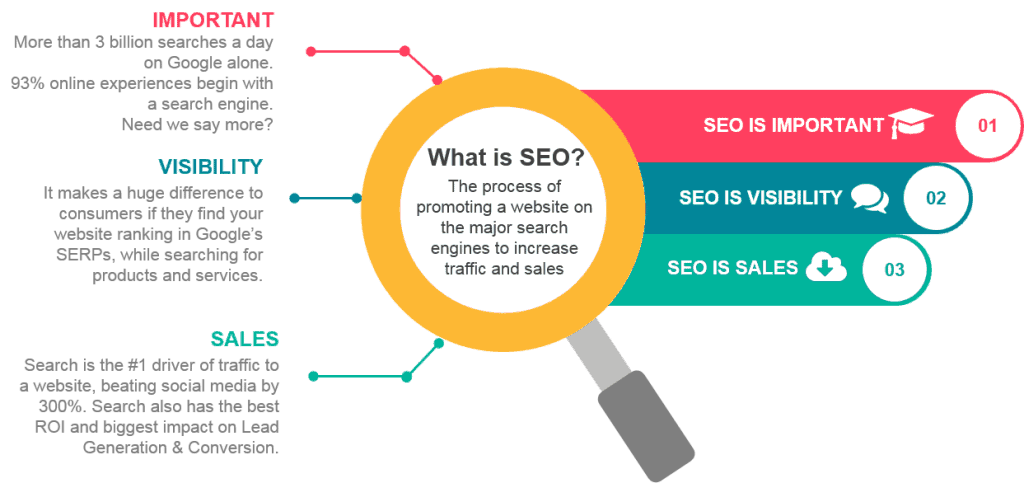
This is where SEO comes into play. Also known as Search Engine Optimisation, SEO is one of the most effective marketing strategies for SMEs. Working to increase your organic placement in a Google search, the better your site SEO, the easier it will be for your target audience to find you. 

SEO

(Image Source: Seoczar)


This said, SEO strategies can often be costly. Many large businesses throw cash at expensive tracking tools, interactive web design and even pricey partnerships with brands and influencers. However, this doesn’t mean that you can’t work on your SEO success at a portion of the cost. 

If you don’t believe us, here are four low-cost SEO strategies to trial on your journey to campaign success

Prioritise High-Quality Content

One of the easiest ways to kick off a cost-free marketing strategy is to just start creating content. Whether this is in the form of blog posts, social media stories or even product descriptions, the more content you create, the more engagement you’ll drive.

The key here is to ensure each piece of content you put out is of high quality and drives organic traffic to your site. One way to do this is to gather as much information as you can about your industry and its target demographic. With this in mind, you can create blog entries and social posts that attract the attention of your potential leads and centre yourself as an opinion leader within your niche. 

Better still, if you find that a particular piece of content performs well, why not repurpose it in a new format? For example, if your blog post on ‘The Best Herbal Remedies’ performs well on your website, why not turn it into a YouTube video that will drive engagement from another platform?

Once you’ve started to build up a following, you can also leverage User-generated content (UGC) in your content marketing efforts.

“UGC can be a powerful marketing tool, as it adds authenticity and social proof to your brand,” says Sneha Lundia, Founder & CEO of Step2Growth. “Encourage your customers to create UGC by offering incentives or running contests. Repurpose UGC in your marketing campaigns, social media posts and website to showcase your happy customers and build trust.”

Collaborate With Industry Leaders

Another way to increase brand awareness at a low cost is to start collaborating with industry leaders from day one. While this may appear pricey, there are plenty of ways to partner with competitors on a low budget.

For example, if you’re an avid content writer, why not offer a competitor site a guest post full of industry insights but also a backlink to your website? This equips your partner with traffic-driving content and you with more chances to score click-based engagement. 

For startups with a slightly larger budget, collaborating with a higher-scale industry player could also be beneficial in the long run. Take Andriod’s partnership with KitKat as an example. Combining efforts, KitKat customers were able to learn more about Android’s newest 4.4 model while tucking into a classic KitKat Chunky.

Android 4.4

(Image Source: Neil Patel)

“Even if you can’t partner with a company as large as KitKat, look to find a strategic partnership that can help your brand gain visibility in the marketplace,” says Neil Patel, co-founder of NP Digital. “Making valuable connections with other brands and publications can provide a huge boost as well, giving you tremendous reach at a low cost.”

Utilise Local SEO

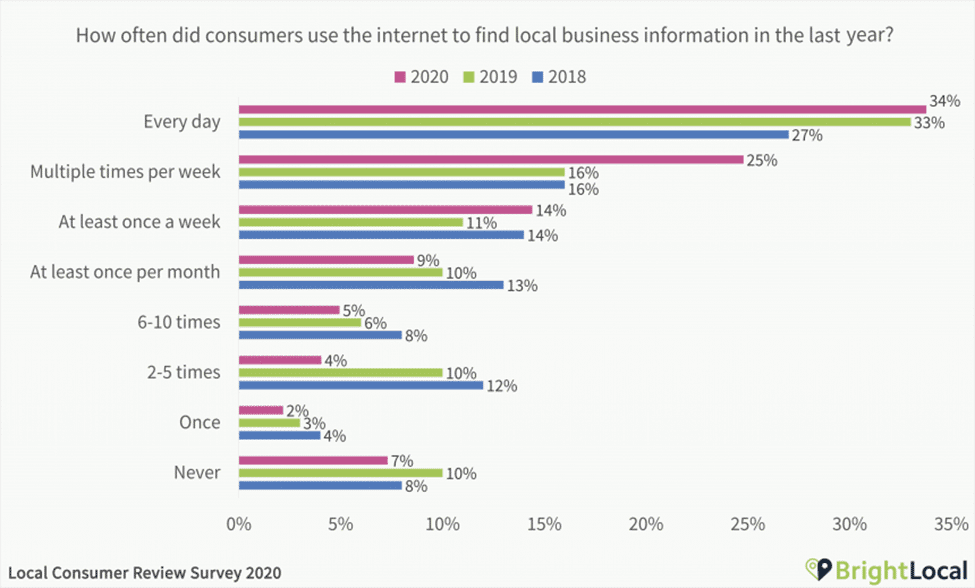
Did you know that a whopping 93% of online searches are aimed at local businesses and contain localised keywords?

Local SEO

(Image Source: Bright Local)


It’s no secret that SEO and advertising efforts can be costly when reaching out to a large audience. From social campaigns to pop-up PPC ads, the price quickly stacks up, and the returns are often disappointing. 

With over 80% of mobile searchers now entering ‘near me’ type keywords into Google daily, it could be time to start utilising your local marketing for an engagement payoff. 

The key here is to optimise your website for local search. This includes localising your keyword use and introducing location-specific meta tags to your content to help boost viability in a local search. 

Better still, why not create a Google My Business (GMB) profile for free, and keep it regularly updated with your business address and opening hours? This helps Google rank you as a local contender, improving search rankings at zero cost. 

When you create a website online, prioritising localisation is essential as a startup. Not only does it half your competition, but you’ll find that local content and keywords are much easier to rank for in a competitive search market.

Introduce Referral Programs

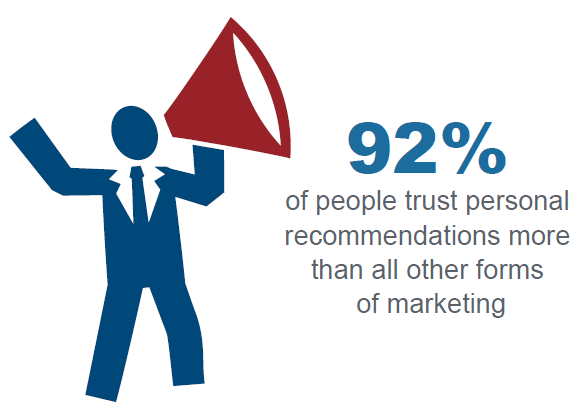
Last but not least, it’s time to leverage the power of word-of-mouth marketing. Not only is it free,  but a staggering 92% of people trust personal recommendations more than any other marketing strategy.

Personal recommendations

(Image Source: Neil Patel)


One way to introduce more word-of-mouth marketing is to introduce a referral program into the mix. Make sure that you encourage your satisfied customers to keep talking about your business post-conversion. Whether this is in the form of a review or social post, their network of followers and friends are likely to take their word for it when it comes to your products/services. 

“Word-of-mouth marketing can be incredibly effective, and referral programs are a low-cost way to tap into this power,” comments Sneha Lundia. “Encourage your satisfied customers to refer your business to their networks by offering incentives such as discounts, freebies or exclusive access to new features. Use referral codes or links to track referrals and reward your customers for their efforts in promoting your startup.” 

Even if you can only offer a 10% discount or free shipping, taking the time to make your loyal customers feel special is a sure way to keep those referrals flowing without breaking the bank. 

A Low-Cost Future

Startup marketing can be testing, but with the right strategies in place, you can certainly reach your audience on a budget.

Whether you’re new to SEO or want to trial a campaign on a budget, taking the time to get to know your audience is a great way to ensure these moneyless marketing strategies are effective.

From targeted content to appealing to local consumers, your demographic is your key to success in a highly competitive online landscape. 

[ad_2]

Source link

]]>
https://cbomo.com/moneyless-marketing-4-cost-effective-seo-strategies-for-startups-on-a-budget/feed/ 0
Marketing Strategies for Startups – business.com https://cbomo.com/marketing-strategies-for-startups-business-com/ https://cbomo.com/marketing-strategies-for-startups-business-com/#respond Sun, 06 Aug 2023 09:35:33 +0000 https://cbomo.com/marketing-strategies-for-startups-business-com/ [ad_1]

Examples of aggressive marketing

Aggressive marketing can be achieved through several different strategies. Cold-calling and email campaigns are probably the best examples. Thus, it refers to the practice of soliciting potential customers who have never engaged with your brand to see if they would be interested in what you’re offering.

Large banner ads, pop-ups and video ads on platforms such as YouTube are also forms of aggressive marketing, as they bombard the audience with information. These digital marketing materials are often segmented, appearing on relevant websites and alongside content the target customer is already engaging with.

Another example of aggressive marketing is assembling a street team to hand out flyers or acquire email addresses. This can be a draining practice, but it’s a great way to connect with people who otherwise may not know about your company, if you can handle all the rejection.

If you plan on writing a cold email to your consumers, the keys are to be authentic, establish a connection and tailor your message.

Strategies to boost your sales

Below, you’ll find several aggressive marketing strategies to rev up your sales from day one.

1. Reach influencers and cultivate relationships.

The most important people in your market are the individuals who speak to your target audience on a daily basis.

These could be TV or radio personalities, or they may be YouTube channel hosts or TikTok stars. Simply put, if your target customer is paying attention to them, you need to use these influencers to your advantage.

Email them, call them, offer them free products and, above all else, treat them as your best customers. A mention from an influencer can propel your startup from a nobody to a force to be reckoned with.

Some startups have had success negotiating market deals with influencers. For example, Happy Feet had a great deal of success marketing their oversized sneakers and slippers by working with Snooki from the MTV reality show Jersey Shore. She tweeted their product out to her followers, and in return, she received a commission on every pair sold.

Get creative and find ways to develop relationships with the influencers whom your customers are paying attention to.

According to a recent analysis by Influencer Marketing Hub, influencer marketing has an average ROI of $5.78 for every $1 businesses spend on it.

2. Hammer home how much your product is needed.

There’s an element of fear that is part of many marketing campaigns. It might be the fear that you’re not as attractive as the model in the ad unless you buy the perfume or cologne they’re wearing. Or your home needs a home security system because X number of home robberies occur every year in your neighborhood. It’s imperative, though, to stay on the right side of marketing, providing a sense of urgency without being malicious.

To do this, major retailers have weekly sales and clearances to build a sense of urgency in the buyer. Human nature tells us that when something is scarce, or only available for a limited time, we are more likely to purchase it.

3. Get the buzz going.

In the world of social media, there’s no such thing as bad publicity. The more consumers are talking about your brand or service with their friends, the more free advertising you’re getting.

Tech-savvy companies are beginning to use a variety of marketing tactics on Instagram and other social media platforms. Start taking pictures around the office. Curate them into collections and type up little stories to go along with them.

Maybe one of your partners has a strong brand story for why your product was created; empower them to share their story and tag your company in the post. Once the buzz starts, don’t forget to engage. Pay close attention to what is being shared, liked and followed the most.

After you identify the high-performing tactics that your audience loves, hammer it home with unwavering attention.

4. Use emotion over logic.

Various studies show that emotional advertisements are the most effective. So, if you haven’t figured it out by now, you need to get out there and pull on some heartstrings.

A Whirlpool ad that went viral emphasized the challenges parents face in raising a family. For many consumers, the ad takes the viewer back and allows them to feel a sense of nostalgia for times when parents could save the day and make things easier for their kids. For parents, the Whirlpool advertisement reinforces that their washing machine can help make some tasks, like laundry, a little bit easier so that there’s more time to spend making fun family memories.

[ad_2]

Source link

]]>
https://cbomo.com/marketing-strategies-for-startups-business-com/feed/ 0
The New Normal in Healthcare Marketing https://cbomo.com/the-new-normal-in-healthcare-marketing/ https://cbomo.com/the-new-normal-in-healthcare-marketing/#respond Wed, 02 Aug 2023 14:44:49 +0000 https://cbomo.com/the-new-normal-in-healthcare-marketing/ [ad_1]

Few industries are as complex today as healthcare. The pace of disruption is unrelenting as new entrants, new discoveries, and new technologies are emerging nearly every day. Category leaders are being challenged to deliver patient-first, systemic change; start-ups are striving to fill gaps in the healthcare ecosystem; patients are looking for experiences that make them feel seen, heard, and valued. Underscoring all of this is the reality of inequities that can no longer be ignored. Amid this turmoil and opportunity, healthcare is faced with a new set of imperatives—ones that build on learnings from the Covid-19 pandemic and carry forward more human-centered, equity-based imperatives. For marketers, it is no longer enough to believe the work starts and ends with acquiring a patient at the lowest CPA. We have a part to play in devising holistic strategies that support our organizations and the imperatives they are trying to address.

Reimagining marketing strategy to better align on organizational structure 

Delivering for the patient or the healthcare consumer means understanding the barriers and key stakeholders that are keeping your CEO/president up at night. Ask yourself if your organization’s marketing strategies are truly oriented toward addressing those concerns.

According to a recent survey by the American College of Healthcare Executives, for hospital presidents/CEOs, workforce challenges have moved to the top of the list, with financial challenges close behind. While access to care and patient satisfaction remain important, these data points reinforce that the patient as a marketing focus is not sufficient. Whether you lead a hospital system or sit somewhere else in the healthcare ecosystem, your marketing strategy needs to move past the consumer/patient focus of most marketing strategies today.

Using a narrative marketing framework as your baseline 

Addressing this complexity requires a new framework that can position marketing to have broader impact. Looking at the foundational thinking of Nobel Prize–winning economist Robert Shiller and his theory of narrative economics and pairing it with the  AI-powered consumer and market intelligence platforms provides a new way to process this complexity into an actionable framework. We now have access to best-in-class AI tools that can process billions of pieces of indexed content across all forms of structured and unstructured data on the web and offer us insights into how to create and manage narratives that will result in impact for our organizations.

How to actually get started with narratives

Delivering for the patient or the healthcare consumer requires two steps: understanding the macro-barriers to delivering on the organizational strategy, and identifying the key stakeholders you need to influence as a starting point. These may appear to be well documented, but the process of clarifying through stakeholder interviews and research often leads to important discussions around prioritization. Using traditional research methods can offer a view of how your organization is set up to succeed against competitors, but employing insights available through AI-enabled platforms gives organizations unprecedented data inputs that can lead to clear mapping of the narratives you need to own or change in the market.

In addition, these platforms offer new ways to lay the groundwork for measuring the impact of a narrative marketing strategy on your organization. AI can index company narratives relative to strategy, opportunities, and threats, and create benchmarks to watch over time related to sentiment, intensity, and impressions. Ultimately these can be tied back to ROI and stakeholder value that move past typical marketing performance metrics or traditional brand metrics.

Leverage narratives to target specific audiences

Once your narratives are identified and prioritized, you can begin to build strategies that target specific audiences or behaviors. Leveraging AI allows organizations to identify mission-critical conversations and shape narratives. Using paid, earned, and owned channels, you can then co-opt and own critical discussions and relationships, driving engagement, influence, and outcomes. AI platforms can evaluate how your organization and your peers are discussed in news, blogs, forums, and social and owned channels. It can show you which channels are driving volume, sources of influence, domains, professionals, and individuals discussing the disease or their personal experience. It can analyze trends, brands, behavior, sentiment, and more with the goal of helping to inform marketing strategies, creative executions, and communications that will resonate with each audience and be amplified most effectively.

Typically, we find organizations can identify a handful of core narratives that can then be supported across an integrated plan. For example, for an association one narrative may be around issues of equity for a disease or condition. By using a narrative framework, it is possible to connect that narrative across regulators to drive policy change, the press to drive attention, donors to rouse support, and people living with the disease or condition to impact behavior change. How narrative strategies are mapped and employed will vary, but the need to connect across channels is critical to success. If your marketing, social, and communications teams are not connected and working from the same set of narrative maps, important potential impact can go unrealized.

Creating new possibilities and a path forward

This kind of connected planning is hard to achieve, but that difficulty opens a door for those organizations that succeed; there is a huge competitive advantage awaiting you. Smart CEOs and CMOs who can embrace the complexity and solve it with a narrative marketing framework are the ones who will drive results—for their organizations and the healthcare consumer.

Photo: Dilok Klaisataporn, Getty Images

[ad_2]

Source link

]]>
https://cbomo.com/the-new-normal-in-healthcare-marketing/feed/ 0
9 Uncommon Marketing Strategies for Startups https://cbomo.com/9-uncommon-marketing-strategies-for-startups/ https://cbomo.com/9-uncommon-marketing-strategies-for-startups/#respond Sun, 23 Apr 2023 10:45:01 +0000 https://cbomo.com/9-uncommon-marketing-strategies-for-startups/ [ad_1]

Opinions expressed by Entrepreneur contributors are their own.

Tired of reading the same old marketing advice for your startup? When I started my journey as an entrepreneur, I knew how to build things, but marketing them was a different ball game. Every corner of the internet seemed to echo the same advice  —  paid ads, email campaigns, blog posts and SEO.

It felt like an oversaturated market, and I began to wonder if any marketing strategies could make a difference until I implemented these nine lesser-known yet powerful marketing strategies that will breathe new life into your startup and help you stand out in the crowd.

1. Guerrilla marketing

Guerrilla marketing is an innovative and unconventional approach to promoting your brand, enabling you to leave a unique impression by steering clear of traditional marketing methods. It’s a really broad term, but this strategy essentially focuses on high-impact, low-cost tactics that capture the attention of your target audience in unexpected ways. For instance, organizing a human-typography event where volunteers spell out the name of your brand and have photos taken, given their consent.

Here are some examples of famous Guerrilla Marketing campaigns:

  1. Airbnb’s “Van Gogh’s Bedrooms” Campaign: Airbnb transformed a replica of Van Gogh’s bedroom into an Airbnb rental. The company marketed the experience on social media, and it went viral, leading to a significant boost in brand awareness.
  2. Burger King’s “Whopper Detour” Campaign: Burger King offered customers a Whopper for only one cent if they ordered it from close proximity to a McDonald’s location. The campaign generated buzz on social media, and the company’s mobile app saw a surge in downloads.
  3. Coca-Cola’s “Share a Coke” Campaign: Coca-Cola replaced its logo on bottles with popular names, encouraging customers to share a Coke with friends or family members. The campaign was a huge success, generating millions of social media mentions and a significant boost in sales.
  4. Metro Trains’s “Dumb Ways to Die” Campaign: Metro Trains created a catchy song and video that showed cartoon characters engaging in dangerous behavior around trains, in an effort to promote railway safety. The video went viral and led to a significant decrease in train-related accidents.
  5. Old Spice’s “The Man Your Man Could Smell Like” Campaign: Old Spice created a series of humorous ads featuring a shirtless man showing off the benefits of Old Spice. The ads went viral and led to a significant increase in sales.

Related: 7 Guerrilla Marketing Tactics That Will Grow Your Business When Money Gets Tight

2. Promotional Merchandise

At first, it may sound cliché, but get creative with your promotional merchandise. Instead of printing t-shirts for sale on your website, think outside the box. For instance, at Discovery Dose, we print beer coasters with intriguing facts about alcohol and distribute them for free to bars throughout Europe. Quite creative, wouldn’t you agree?

3. Online directories

Listing your startup in online directories can help you reach new customers and improve your search engine rankings. Search for directories that serve a relevant audience, such as Wellfound (formerly AngelList Talent), Product Hunt and CrunchBase.

Related: Struggling in Local Search? Here’s What Your Local SEO Strategy Needs to Compete in 2022.

4. Answering questions on forums

Quora, Reddit and Stack Exchange are all popular question-and-answer platforms where people can ask and answer questions about a wide range of topics. Find questions about the problem you’re solving and provide a genuinely valuable response that also promotes your startup.

5. Leveraging your personal brand

Nearly 20% of the leads for my startup originate from my personal social media accounts and my online articles. To achieve the same effect, work on establishing yourself as an industry expert, cultivate an audience and contribute articles to a variety of publications.

It can even be as simple as posting updates on your personal Facebook account  —  after all, Facebook moms are the most loyal supporters you’ll ever come across!

6. Public speaking

Public speaking is a powerful way to develop your personal brand and promote your startup. By sharing your insights and experiences, you can build credibility and attract new customers, especially if you stand out.

Consider exploring the following speaking opportunities:

  1. Podcasts
  2. TEDx talks in your region
  3. Guest lectures at colleges and universities
  4. Webinars and conferences
  5. Networking events and meetups

Related: The Complete, 20-Step Guide to Ace Public Speaking

7. Street marketing

Go out in public and speak to anyone who would listen. You can even organize public contests that involve people answering questions related to your line of work, then record the experience and use it as promotional material, given the participants do consent. Hit two targets with one shot!

8. Hashtag marketing

Hashtag marketing is a powerful strategy that leverages the potential of social media to generate organic engagement and build brand awareness. A well-crafted and catchy hashtag can inspire people to use it, effectively turning them into word-of-mouth promoters for your business.

For instance, Coca-Cola’s #ShareACoke campaign brilliantly tapped into the power of hashtag marketing by creating a sense of connection and encouraging users to share their experiences.

9. Marketing subsidiaries

A marketing subsidiary is essentially a separate company with its own objectives that, through its operations, complements its parent company’s marketing efforts. Although this takes more effort and is more long-term oriented, a marketing subsidiary can be an excellent asset for boosting your startup’s marketing operations.

For instance, if you run a FinTech startup, launching a newsletter or publication that offers valuable insights about trading and investing could build an engaged audience with a genuine interest in your field. This audience can then be leveraged to generate returns and attract new customers to your startup, ultimately benefiting your primary business objectives.

Ready to leave your competition in the dust?

As you venture into the world of marketing strategies that actually work, you have the potential to take your brand to new heights. It’s time to make a lasting impact and become the pioneer your startup deserves. The future of your brand’s success starts now.

[ad_2]

Source link

]]>
https://cbomo.com/9-uncommon-marketing-strategies-for-startups/feed/ 0
TechCrunch+ roundup: Big Data’s cloud backlash, CVC pitch tips, de-risking hardware startups https://cbomo.com/techcrunch-roundup-big-datas-cloud-backlash-cvc-pitch-tips-de-risking-hardware-startups/ https://cbomo.com/techcrunch-roundup-big-datas-cloud-backlash-cvc-pitch-tips-de-risking-hardware-startups/#respond Wed, 22 Mar 2023 00:20:24 +0000 https://cbomo.com/techcrunch-roundup-big-datas-cloud-backlash-cvc-pitch-tips-de-risking-hardware-startups/ [ad_1]

For most of the Information Age, companies that wanted to scale invested in server farms and hired teams to keep them running.

At one of my first startup jobs, I walked in one day to find two sleeping co-workers who’d spent the night configuring servers at a co-locating facility 60 miles away. Soon after, when I worked at a publicly traded company, our on-prem data center was resilient enough to operate through a moderate earthquake.

The relatively recent shift to cloud computing promised to lower costs and boost productivity, but “cloud-first strategies may be hitting the limits of their efficacy, and in many cases, ROIs are diminishing,” writes Thomas Robinson, COO of Domino Data Lab.


Full TechCrunch+ articles are only available to members.
Use discount code TCPLUSROUNDUP to save 20% off a one- or two-year subscription.


I started wearing sweaters at home after I got my last utility bill, but with enormous workloads from “ML, AI and deep learning programs that require dozens or even hundreds of GPUs and terabytes or even petabytes,” companies at scale can’t simply dial back their data usage.

Because “the great repatriation” now taking place among public companies also has direct implications for startup DevOps teams, Robinson shares suggestions for “a few things that can be done to ensure future flexibility for where workloads are created.”

Thanks for reading TC+ this week,

Walter Thompson
Editorial Manager, TechCrunch+
@yourprotagonist

When it comes to early-stage growth marketing, it’s often better to imitate than innovate

Plastic banana beside real banana

Image Credits: Jorg Greuel (opens in a new window) / Getty Images

I’m pleased to announce that self-described “growth marketing nerd” Jonathan Martinez has come aboard as a recurring TC+ contributor!

Martinez, who worked on growth teams at Uber, Postmates and Coinbase, is also the founder of SalesKiwi.

In his latest article, he explains why copying your rivals’ most successful marketing strategies can be one of the fastest ways to get traction with new customers.

“There’s no need to constantly reinvent the wheel,” he advises. “Conserve your resources to innovate for high-probability tests that you’re excited to try at various stages of your startup’s life.”

SaaS is still open for business, but it’s going to take longer to buy and sell

Close-Up Of Blue Sand Falling In Hourglass

Image Credits: Ruslan Malysh/EyeEm (opens in a new window) / Getty Images

More than 225,000 tech workers have been laid off in the last year, which is having a direct effect on SaaS renewal and purchase cycles.

SaaS customers that reduced headcount are buying fewer seat licenses and sales cycles are taking a little longer than they used to, says Ryan Neu, CEO and co-founder of SaaS-buying platform Vendr.

“Over the last three years, our data has shown a steady decline in multiyear deals,” he writes in TC+. “Yet we have also seen a significant increase in [average contract value] from purchase to renewal in mission-critical and sticky software categories, like CRM or email.”

How to pitch CVCs

CVC, corporate venture capital,

Image Credits: Getty Images

As individual VC firms pulled back and began amassing dry powder in 2022, corporate venture capital (CVC) funds stepped up.

PitchBook found that CVCs played a part in 56.2% of all venture deals that took place last year, “up only a hair over 2021’s 25.6%,” reports Rebecca Szkutak, who spoke to a few experts to find out how startups in fundraising mode can get on their radar.

“If there isn’t a product integration angle, and we don’t see or can’t find evidence that a customer of ours or theirs would want to work together, it would be hard for us to work together,” said Andrew Ferguson, VP of corporate development and ventures at Databricks.

10 tips for de-risking hardware products

Image Credits: Frisco / Getty Images

With the right team, a software startup might only need weeks to go from the idea stage to billing their first customers.

Conversely, all hardware startups grapple with high capital expenditures and need time to ramp up production, which is why testing and evaluating demand are so important, says Narek Vardanyan, founder of Prelaunch.com, which recently closed a pre-seed round.

“You need to make decisions based on people’s actual behavior,” he said in an interview with TechCrunch+. “You need to make sure that the data you’re tracking is coming from the right types of people.”

Thinking about pulling the plug on your startup?

Close up of web page button on monitor screen

Image Credits: SEAN GLADWELL (opens in a new window) / Getty Images

I just read a Twitter post by angel investor Gokul Rajaram asserting that founders who raised large sums before the downturn but have yet to find product-market fit “are going through an excruciating psychological journey.”

Entrepreneurs are indoctrinated to pursue success at all costs, but “chasing endless pivots trying to find PMF is a bridge to nowhere,” wrote Rajaram, who shared a story about a founder who returned funds to investors before winding down operations:

“The relief they felt when they realized investors and employees were on board and 100% supportive of their decision, was palpable. (All employees received solid severance before the company shut down.)”

If you’re a founder who has decided to shut down (or an investor who’s counseled one), please consider sharing your story with TechCrunch+. To get in touch, send a note to guestcolumns@techcrunch.com.

Corporate investment in AI is on the rise, driven by the tech’s promise

Rolled dollar bills hang from a bonsai tree.

Image Credits: Karl Tapales (opens in a new window) / Getty Images

Last year, global investors poured $77.5 billion into AI startups, a 115% YoY increase, reported Tortoise Intelligence.

According to Kyle Wiggers, corporate adoption of generative AI is fueling investor interest, as are the sector’s outsized returns: A 2022 poll found that 92% of large companies are “achieving returns on their data and AI investments.”


[ad_2]

Source link

]]>
https://cbomo.com/techcrunch-roundup-big-datas-cloud-backlash-cvc-pitch-tips-de-risking-hardware-startups/feed/ 0
Top 10 Marketing Strategies For Startups https://cbomo.com/top-10-marketing-strategies-for-startups/ https://cbomo.com/top-10-marketing-strategies-for-startups/#respond Sun, 05 Mar 2023 02:52:01 +0000 https://cbomo.com/top-10-marketing-strategies-for-startups/ [ad_1]

I recently got introduced to Alyssa Hitaka at TopTierStartups.com, a new content site rich with startup related news, tips and interviews with startup founders. I was curious what her startup founders were seeing, in terms of the best marketing strategies they are successfully using today. Alyssa was kind enough to interview ten of her founders, to get those learnings. And, we are both pleased to share those learnings with all of you, to help you with your own marketing efforts. Here is the list:

1. Katja Kaine at The Novel Company: Word of mouth and great customer service

Word of mouth is one of the most important ways a founder can get the word out about their products or services. Katja Kaine, founder of The Novel Company, has focused on slow and organic growth of her innovative writing technology, gradually building up a strong reputation among customers. Katja also emphasizes the importance of engaging with customers personally—she responds to all emails herself, which indicates to users that the company truly listens and cares, further boosting loyalty.

2. Robert Brüll at FibreCoat: LinkedIn and startup awards

LinkedIn is a must for just about any modern-day professional, and Robert Brüll, founder of high-performance materials startup FibreCoat, encourages fellow entrepreneurs to make the most of the platform to market their brands. His company also regularly participates in startup award contests, and winning awards helps his business build its reputation, secure positive feedback, and gain traction among the target demographic. When paired with FibreCoat’s powerful LinkedIn presence, these awards stretch even further and help drive more traffic at live events, which further boost the company’s reputation among consumers.

3. Vita Valka at Camperguru: Connecting with consumers in real life

These days, a lot of brands rely on digital media to promote their products and services, and Vita Valka’s Camperguru has also leveraged the algorithms at Facebook and Pinterest to evoke interest and familiarity with the target demographic. What gives the innovative camping app its edge, however, is the connections its team of ambassadors make with campers on the ground. Camperguru’s team of passionate campers tour some of Europe’s best campgrounds and, in the perfect locations with highly concentrated groups of avid campers, spread the word about the app in person.

4. Wolfgang Rückerl at Entity: High-quality content and interactivity

Content marketing is a major growth driver for a lot of businesses today, and Wolfgang Rückerl affirms its powerful role in growing his blockchain startup Entity. Focusing on valuable information, crisp graphics, and thorough explanations of the company’s more technical aspects, Robert has built up a solid community of users for his app. An important addition to his marketing strategy is engagement and interactivity on social media, with Entity regularly designing contests, games, and events for users and prospective users to participate in. Robert credits this interactive marketing approach to strengthening trust with followers and driving growth of the platform.

5. Stefanie Palomino at ROOM: Maintaining a holistic approach

There’s a lot involved in promoting your new startup, with many ways to approach marketing and many factors to consider throughout your company’s continued interaction with consumers. Stefanie Palomino, founder of innovative telecommunications application ROOM, stresses the importance of adopting a holistic approach to marketing. She encourages entrepreneurs to consider the full user journey, from their first acquaintance with your brand to their continued use of your service or product. The data you collect from existing customers—both quantitative and qualitative—can help inform your precise marketing strategy, building lasting relationships and trust with loyal users.

6. Deanna Visperas at GoVirtuals: Influential staff as a marketing strategy

The staff of a company define its aura and atmosphere, and how a company feels can have a major impact on prospective customers. Deanna Visperas, who founded virtual assistant company GoVirtuals, firmly believes that her marketing success is rooted in the influential individuals who staff her team. According to Deanna, thought leadership and employee advocacy are key to building a brand’s reputation and cultivating trust among consumers, so fostering your employees’ talents and influence is a great way to grow your business. Happy employees can lead to happy customers.

7. Mark Brouwers at Nocto: Collaboration with similar brands

The startup world is big, and while similar companies are conventionally viewed as competitors, Mark Brouwers reveals why it’s often better to see them as partners. Mark has built up his unique hospitality connector platform, Nocto, through collaboration with similar businesses who share goals and target demographics with his company. Designing win-win strategies help both companies grow, and as an added bonus, collaboration generally means you save time, money, and effort. This marketing strategy will also allow you to forge meaningful relationships with other professionals in the industry, which can open all sorts of new doors for your brand.

8. Siebe van Mensfoort at Simbeyond: Leveraging industry events

Though online marketing makes up a huge portion of modern-day companies’ promotional efforts, offline marketing can be just as powerful, if not more. Siebe van Mensfoort, founder of Simbeyond—a startup that creates software tools for the development of high-tech devices—regularly partakes in industry events to boost his brand. This marketing strategy takes him all over the world, to conference presentations and exhibitions alike, and has allowed all sorts of interested prospective customers to discover Simbeyond. As a bonus, regular participation in industry events gives Siebe a solid grasp of the latest market innovations.

9. Sam Kynman-Cole at topVIEW: Google Ads and direct calls

Sometimes, the simplest marketing approaches are also the most effective. Sam Kynman-Cole from topVIEW, a digital startup that allows businesses to create virtual 3D tours of their indoor spaces, recommends Google Ads as an effective strategy for B2B companies. However, he highlights directly reaching out to potentially interested parties as his number-one marketing approach. Phone calls are the best, Sam advises, but a personalized email is also effective for less urgent situations. He also praises LinkedIn as a great way to make direct connections with specific people, much like personalized emails.

10. Joe Menninger at Startuprad.io: SEO and media exchanges

Search engine optimization (SEO) is a major buzzword in content marketing, and for good reason—it boosts your rank in search engines, helping prospective consumers find your brand. Joe Menninger, founder of Startuprad.io, an English-language podcast covering startup news in the German-speaking world, highlights how crucial it is to create transcripts of podcast episodes. For each episode, he generates a transcript and a detailed blog post, which allows him to deliver high-quality audio content to listeners while still tapping into search engine algorithms. Joe also collaborates with other podcasts, creating a win-win scenario that boosts the followers of both shows.

So, hopefully, there are some useful “nuggets” here for you all to use in your businesses. Thanks again to Alyssa for her research and helping me create this post.

George Deeb is a Partner at Red Rocket Ventures and author of 101 Startup Lessons-An Entrepreneur’s Handbook.

[ad_2]

Source link

]]>
https://cbomo.com/top-10-marketing-strategies-for-startups/feed/ 0
Abu Dhabi: 34 startups vie for best innovative defence company award – Khaleej Times https://cbomo.com/cbmizgh0dhbzoi8vd3d3lmtoywxlzwp0aw1lcy5jb20vdwfll2fids1kagfias0znc1zdgfydhvwcy12awutzm9ylwjlc3qtaw5ub3zhdgl2zs1kzwzlbmnllwnvbxbhbnktyxdhcmtsawpodhrwczovl3d3dy5ragfszwvqdgltzxmuy29tl3vhzs9hynutzghhymkt/ https://cbomo.com/cbmizgh0dhbzoi8vd3d3lmtoywxlzwp0aw1lcy5jb20vdwfll2fids1kagfias0znc1zdgfydhvwcy12awutzm9ylwjlc3qtaw5ub3zhdgl2zs1kzwzlbmnllwnvbxbhbnktyxdhcmtsawpodhrwczovl3d3dy5ragfszwvqdgltzxmuy29tl3vhzs9hynutzghhymkt/#respond Tue, 21 Feb 2023 23:06:08 +0000 https://cbomo.com/cbmizgh0dhbzoi8vd3d3lmtoywxlzwp0aw1lcy5jb20vdwfll2fids1kagfias0znc1zdgfydhvwcy12awutzm9ylwjlc3qtaw5ub3zhdgl2zs1kzwzlbmnllwnvbxbhbnktyxdhcmtsawpodhrwczovl3d3dy5ragfszwvqdgltzxmuy29tl3vhzs9hynutzghhymkt/ [ad_1]

Abu Dhabi: 34 startups vie for best innovative defence company award  Khaleej Times

[ad_2]

Source link

]]>
https://cbomo.com/cbmizgh0dhbzoi8vd3d3lmtoywxlzwp0aw1lcy5jb20vdwfll2fids1kagfias0znc1zdgfydhvwcy12awutzm9ylwjlc3qtaw5ub3zhdgl2zs1kzwzlbmnllwnvbxbhbnktyxdhcmtsawpodhrwczovl3d3dy5ragfszwvqdgltzxmuy29tl3vhzs9hynutzghhymkt/feed/ 0