




\" plugin_version.type = \"hidden\" form.appendChild(plugin_version) var wordpress_version = document.createElement(\"input\") wordpress_version.name = \"wordpress_version\" wordpress_version.id = \"wordpress_version\" wordpress_version.value = '$wp_version' wordpress_version.type = \"hidden\" form.appendChild(wordpress_version) } },200); "; } else { echo ''; } } else { echo ''; } } else { echo ""; return; } } } /** * Google analytics . */ function ga_footer() { if ( ! ( defined( 'DOING_AJAX' ) && DOING_AJAX ) ) { $banner_discarded_count = get_option( 'sm_beta_banner_discarded_count' ); if ( 1 === $banner_discarded_count || '1' === $banner_discarded_count ) { echo ''; } } } /** * Check if the requirements of the sitemap plugin are met and loads the actual loader * * @package sitemap * @since 4.0 */ function sm_setup() { $fail = false; // Check minimum PHP requirements, which is 5.2 at the moment. if ( version_compare( PHP_VERSION, '5.2', '<' ) ) { add_action( 'admin_notices', 'sm_add_php_version_error' ); $fail = true; } // Check minimum WP requirements, which is 3.3 at the moment. if ( version_compare( $GLOBALS['wp_version'], '3.3', '<' ) ) { add_action( 'admin_notices', 'sm_add_wp_version_error' ); $fail = true; } if ( ! $fail ) { require_once trailingslashit( dirname( __FILE__ ) ) . 'class-googlesitemapgeneratorloader.php'; } } /** * Adds a notice to the admin interface that the WordPress version is too old for the plugin * * @package sitemap * @since 4.0 */ function sm_add_wp_version_error() { /* translators: %s: search term */ echo '

' . esc_html( __( 'Your WordPress version is too old for XML Sitemaps.', 'google-sitemap-generator' ) ) . '
' . esc_html( sprintf( __( 'Unfortunately this release of Google XML Sitemaps requires at least WordPress %4$s. You are using WordPress %2$s, which is out-dated and insecure. Please upgrade or go to active plugins and deactivate the Google XML Sitemaps plugin to hide this message. You can download an older version of this plugin from the plugin website.', 'google-sitemap-generator' ), 'plugins.php?plugin_status=active', esc_html( $GLOBALS['wp_version'] ), 'http://www.arnebrachhold.de/redir/sitemap-home/', '3.3' ) ) . '

'; } /** * Adds a notice to the admin interface that the WordPress version is too old for the plugin * * @package sitemap * @since 4.0 */ function sm_add_php_version_error() { /* translators: %s: search term */ echo '

' . esc_html( __( 'Your PHP version is too old for XML Sitemaps.', 'google-sitemap-generator' ) ) . '
' . esc_html( sprintf( __( 'Unfortunately this release of Google XML Sitemaps requires at least PHP %4$s. You are using PHP %2$s, which is out-dated and insecure. Please ask your web host to update your PHP installation or go to active plugins and deactivate the Google XML Sitemaps plugin to hide this message. You can download an older version of this plugin from the plugin website.', 'google-sitemap-generator' ), 'plugins.php?plugin_status=active', PHP_VERSION, 'http://www.arnebrachhold.de/redir/sitemap-home/', '5.2' ) ) . '

'; } /** * Returns the file used to load the sitemap plugin * * @package sitemap * @since 4.0 * @return string The path and file of the sitemap plugin entry point */ function sm_get_init_file() { return __FILE__; } /** * Register beta user consent function. */ function register_consent() { if ( ! ( defined( 'DOING_AJAX' ) && DOING_AJAX ) ) { if ( is_user_logged_in() && current_user_can( 'manage_options' ) ) { if ( isset( $_POST['user_consent_yes'] ) ) { if (isset($_POST['user_consent_yesno_nonce_token']) && check_admin_referer('user_consent_yesno_nonce', 'user_consent_yesno_nonce_token')){ update_option( 'sm_user_consent', 'yes' ); } } if ( isset( $_POST['user_consent_no'] ) ) { if (isset($_POST['user_consent_yesno_nonce_token']) && check_admin_referer('user_consent_yesno_nonce', 'user_consent_yesno_nonce_token')){ update_option( 'sm_user_consent', 'no' ); } } if ( isset( $_GET['action'] ) ) { if ( 'no' === $_GET['action'] ) { if ( $_SERVER['QUERY_STRING'] ) { if( strpos( $_SERVER['QUERY_STRING'], 'google-sitemap-generator' ) ) { update_option( 'sm_show_beta_banner', 'false' ); $count = get_option( 'sm_beta_banner_discarded_count' ); if ( gettype( $count ) !== 'boolean' ) { update_option( 'sm_beta_banner_discarded_count', (int) $count + 1 ); } else { add_option( 'sm_beta_banner_discarded_on', gmdate( 'Y/m/d' ) ); update_option( 'sm_beta_banner_discarded_count', (int) 1 ); } GoogleSitemapGeneratorLoader::setup_rewrite_hooks(); GoogleSitemapGeneratorLoader::activate_rewrite(); } else { add_option( 'sm_beta_notice_dismissed_from_wp_admin', 'true' ); } } else { add_option( 'sm_beta_notice_dismissed_from_wp_admin', 'true' ); } } } if ( isset( $_POST['enable_updates'] ) ) { if (isset($_POST['enable_updates_nonce_token']) && check_admin_referer('enable_updates_nonce', 'enable_updates_nonce_token')){ if ( 'true' === $_POST['enable_updates'] ) { $auto_update_plugins = get_option( 'auto_update_plugins' ); if ( ! is_array( $auto_update_plugins ) ) { $auto_update_plugins = array(); } array_push( $auto_update_plugins, 'google-sitemap-generator/sitemap.php' ); update_option( 'auto_update_plugins', $auto_update_plugins ); } elseif ( 'false' === $_POST['enable_updates'] ) { update_option( 'sm_hide_auto_update_banner', 'yes' ); } } } /* if ( isset( $_POST['disable_plugin'] ) ) { if (isset($_POST['disable_plugin_sitemap_nonce_token']) && check_admin_referer('disable_plugin_sitemap_nonce', 'disable_plugin_sitemap_nonce_token')){ if ( strpos( $_POST['disable_plugin'], 'all_in_one' ) !== false ) { $default_value = 'default'; $aio_seo_options = get_option( 'aioseo_options', $default_value ); if ( $aio_seo_options !== $default_value ) { $aio_seo_options = json_decode( $aio_seo_options ); $aio_seo_options->sitemap->general->enable = 0; update_option( 'aioseo_options', json_encode( $aio_seo_options ) ); } } elseif( strpos( $_POST['disable_plugin'], 'wp-seo' ) !== false ) { $yoast_options = get_option( 'wpseo' ); $yoast_options['enable_xml_sitemap'] = false; update_option( 'wpseo', $yoast_options ); } } } */ } } $updateUrlRules = get_option('sm_options'); if(!isset($updateUrlRules['sm_b_rewrites2']) || $updateUrlRules['sm_b_rewrites2'] == false){ GoogleSitemapGeneratorLoader::setup_rewrite_hooks(); GoogleSitemapGeneratorLoader::activate_rewrite(); GoogleSitemapGeneratorLoader::activation_indexnow_setup(); if (isset($updateUrlRules['sm_b_rewrites2'])) { $updateUrlRules['sm_b_rewrites2'] = true; update_option('sm_options', $updateUrlRules); } else { $updateUrlRules['sm_b_rewrites2'] = true; add_option('sm_options', $updateUrlRules); update_option('sm_options', $updateUrlRules); } } if(isset($updateUrlRules['sm_links_page'] )){ $sm_links_page = intval($updateUrlRules['sm_links_page']); if($sm_links_page < 1000) { $updateUrlRules['sm_links_page'] = 1000; update_option('sm_options', $updateUrlRules); } } if(!isset($updateUrlRules['sm_b_activate_indexnow']) || $updateUrlRules['sm_b_activate_indexnow'] == false){ $updateUrlRules['sm_b_activate_indexnow'] = true; $updateUrlRules['sm_b_indexnow'] = true; update_option('sm_options', $updateUrlRules); } } function disable_plugins_callback(){ if (current_user_can('manage_options')) { check_ajax_referer('disable_plugin_sitemap_nonce', 'nonce'); $pluginList = sanitize_text_field($_POST['pluginList']); $pluginsToDisable = explode(',', $pluginList); foreach ($pluginsToDisable as $plugin) { if ($plugin === 'all-in-one-seo-pack/all_in_one_seo_pack.php') { /* all in one seo deactivation */ $aioseo_option_key = 'aioseo_options'; if ($aioseo_options = get_option($aioseo_option_key)) { $aioseo_options = json_decode($aioseo_options, true); $aioseo_options['sitemap']['general']['enable'] = false; update_option($aioseo_option_key, json_encode($aioseo_options)); } } if ($plugin === 'wordpress-seo/wp-seo.php') { /* yoast sitemap deactivation */ if ($yoast_options = get_option('wpseo')) { $yoast_options['enable_xml_sitemap'] = false; update_option('wpseo', $yoast_options); } } if ($plugin === 'jetpack/jetpack.php') { /* jetpack sitemap deactivation */ $modules_array = get_option('jetpack_active_modules'); if(is_array($modules_array)) { if (in_array('sitemaps', $modules_array)) { $key = array_search('sitemaps', $modules_array); unset($modules_array[$key]); update_option('jetpack_active_modules', $modules_array); } } } if ($plugin === 'wordpress-sitemap') { /* Wordpress sitemap deactivation */ $options = get_option('sm_options', array()); if (isset($options['sm_wp_sitemap_status'])) $options['sm_wp_sitemap_status'] = false; else $options['sm_wp_sitemap_status'] = false; update_option('sm_options', $options); } } echo 'Plugins sitemaps disabled successfully'; wp_die(); } } function conflict_plugins_admin_notice(){ GoogleSitemapGeneratorLoader::create_notice_conflict_plugin(); } /* send to index updated url */ function indexnow_after_post_save($new_status, $old_status, $post) { $indexnow = get_option('sm_options'); $indexNowStatus = isset($indexnow['sm_b_indexnow']) ? $indexnow['sm_b_indexnow'] : false; if ($indexNowStatus === true) { $newUrlToIndex = new GoogleSitemapGeneratorIndexNow(); $is_changed = false; $type = "add"; if ($old_status === 'publish' && $new_status === 'publish') { $is_changed = true; $type = "update"; } else if ($old_status != 'publish' && $new_status === 'publish') { $is_changed = true; $type = "add"; } else if ($old_status === 'publish' && $new_status === 'trash') { $is_changed = true; $type = "delete"; } if ($is_changed) $newUrlToIndex->start(get_permalink($post)); } } // Don't do anything if this file was called directly. if ( defined( 'ABSPATH' ) && defined( 'WPINC' ) && ! class_exists( 'GoogleSitemapGeneratorLoader', false ) ) { sm_setup(); if(isset(get_option('sm_options')['sm_wp_sitemap_status']) ) $wp_sitemap_status = get_option('sm_options')['sm_wp_sitemap_status']; else $wp_sitemap_status = true; if($wp_sitemap_status = true) $wp_sitemap_status = '__return_true'; else $wp_sitemap_status = '__return_false'; add_filter( 'wp_sitemaps_enabled', $wp_sitemap_status ); add_action('wp_ajax_disable_plugins', 'disable_plugins_callback'); add_action('admin_notices', 'conflict_plugins_admin_notice'); } Most Popular – Affiliate Marketing Programs | CBOMO.COM https://cbomo.com Your Affiliate Online Money Opportunities Sun, 02 Apr 2023 12:05:10 +0000 en-US hourly 1 https://wordpress.org/?v=6.9.4 10 spring cleaning tips to get your home squeaky clean https://cbomo.com/apiclick-aspxreffexrssaidtid64296f74269d4224ac9842b82186aa80urlhttps%3a%2f%2fwww-cosmopolitan-com%2fuk%2finteriors%2fa43410981%2fspring-cleaning-tips%2fc8348599420006757258mkten-us/ https://cbomo.com/apiclick-aspxreffexrssaidtid64296f74269d4224ac9842b82186aa80urlhttps%3a%2f%2fwww-cosmopolitan-com%2fuk%2finteriors%2fa43410981%2fspring-cleaning-tips%2fc8348599420006757258mkten-us/#respond Sun, 02 Apr 2023 12:05:10 +0000 https://cbomo.com/apiclick-aspxreffexrssaidtid64296f74269d4224ac9842b82186aa80urlhttps%3a%2f%2fwww-cosmopolitan-com%2fuk%2finteriors%2fa43410981%2fspring-cleaning-tips%2fc8348599420006757258mkten-us/ [ad_1]

Cleaning ranks pretty low down on our list of favourite things to do. There’s Netflix to watch, friends to see and bottomless brunches to attend, after all. However, from time to time we can admit there is a certain satisfaction in making your space squeaky clean. And when it comes to this time of year, we’re actually quite looking forward to the big annual spring clean.

Spring cleaning is one of those weird traditions where everyone has generally accepted that with the new season, comes the chance to give your home a deep clean. But of course you can do a big clean of your home whenever you choose. As well as giving the home a once over it’s also a chance to do those big cleaning jobs you don’t tend to do every week (read: deep cleaning the oven).

But where do you even start? We spoke to the cleaning experts over at method who gave a full rundown of how to tackle the big spring clean, including their most important tips.

spring cleaning tipspinterest icon

Getty Images

So you can essentially consider this your spring cleaning checklist. Happy cleaning! (If that’s a thing?)

1.Prep, prep and more prep

      Before you even begin the cleaning process, get yourself a checklist of all the jobs you need to do and divide them up between each room.

      This will make the tasks feel more manageable and you’ll get a bigger sense of achievement when you tick something off your list.

          Once you know how much you have to do, you can then see if you’re going to do all the jobs in one day, or split them across multiple days. We’ll definitely be doing the latter.

          2. Stock up

          Now that you know which jobs you have to do, you can assess your cleaning product situation, and see which products you may need for certain jobs.

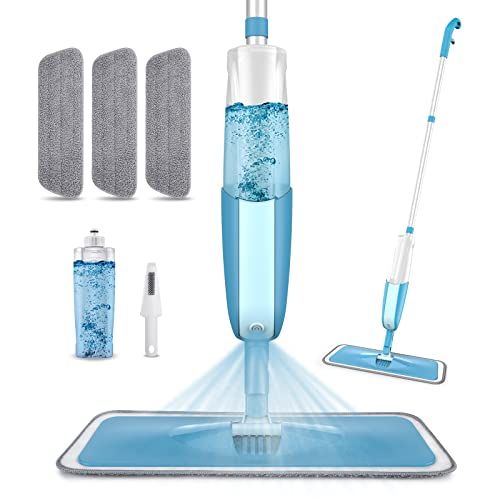
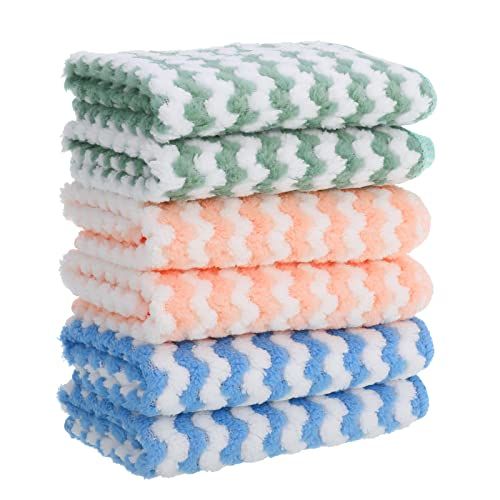
          Make sure you’ve got a good mop, vacuum, reusable cleaning cloths and cleaning products such as a surface cleaner, polish and floor cleaner before getting started.

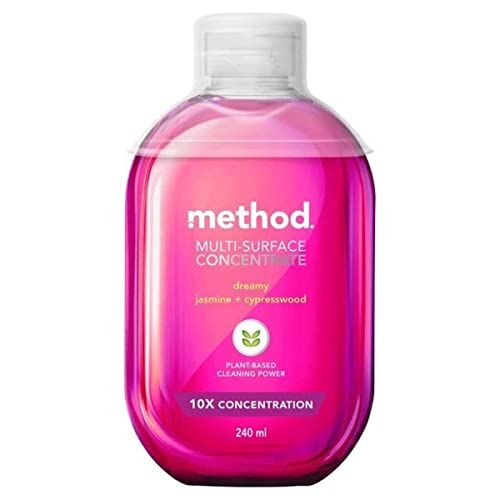
          Method’s multi-surface concentrate is ideal for tackling multiple jobs at once because you can dilute it with water and use it as a spray, pop it in a mop bucket or apply neat for tackling tough grime.

          Our Spring Cleaning Essentials

          Anti Hair Wrap Cordless Stick Vacuum Cleaner

          Shark Anti Hair Wrap Cordless Stick Vacuum Cleaner

          Now 15% Off

          6 Pieces Microfibre Reusable Cleaning Cloths

          Cerolopy 6 Pieces Microfibre Reusable Cleaning Cloths

          Multi-Surface Concentrate

          Method Multi-Surface Concentrate

          3. De-clutter

          It sounds obvious but getting rid of items that no longer serve purpose will reduce the amount of work that needs doing during the spring cleaning and will also free up space – rather than simply letting unwanted items sit gathering dust.

          Struggling to get rid of items? We feel you, but there are two hacks we love for when it come to de-cluttering.

          The first is the 80-20 insight. The principle is pretty simple and is based on the fact that we only actually use 20 per cent of what we own around 80 per cent of the time. Keep this in mind when clearing out rooms, shelves and cupboards, do you really use all those weird utensils in that forgotten drawer? This will help you prioritise what stays and what doesn’t make the cut.

          The other hack is the ski slope’ method, which involves breaking down a room into separate zones which you can glide between one after the other, crisscrossing across the room to reach your end goal. When decluttering, it’s great to have four distinct piles – ‘keep’, ‘dump’, ‘recycle’ or ‘donate’.

          spring cleaning tipspinterest icon

          Getty Images

          4. Start from the top down when it comes to cleaning

          When cleaning each room start by cleaning high, then going low. Overhead fixtures that we sometimes forget about, like lighting, are prone to dust build-up and usually don’t get cleaned as often – and when they do, the dirt and grime will sprinkle down to the floor and surfaces below them.

          So, avoid creating more work for yourself by starting from the top and cleaning down in each room. We love any hack that saves us some time.

          5. Start with the kitchen

          Ok, now we can finally begin actually cleaning and let’s start with one of the most important rooms – the kitchen.

          Understandably, the kitchen is one of the highest ‘touch’ areas in the house and therefore one we’re more likely to clean regularly – meaning half the work should (hopefully) be done. A nice place to start. Begin by removing all food, products, crockery and other equipment from drawers, cupboards and other surfaces, to give yourself a decluttered, blank slate for the kitchen deep-clean.

          Remember the high-before-low rule too, and begin cleaning high fixtures before moving to appliances – making sure to move them away from the wall where possible to clean under and behind them (it’s called a deep clean for a reason!), before finally moving on to counter-tops, drawers and lower cabinets. We’d recommend using the method multi-surface concentrate mixed with water in a spray bottle.

          6. Then tackle the bathroom

          Again, start high then go low, before moving your attention to blitzing and disinfecting the shower, bath, and toilet. method’s bathroom cleaner is perfect for these tasks, and its eucalyptus mint fragrance will leave the room smelling minty fresh.

          Pay special attention to under the rim of the toilet and the back of the toilet bowl, as these can often be forgotten in your more regular cleaning routines. Given it’s a deep clean, repeat the spray-leave-wipe technique several times for optimum results. Once you’ve blitzed the bathroom, finish with an antibacterial spray and wipe all-over just to get rid of any lingering germs.

          7. Focus on the rest of the house

          When it comes to bedrooms, living rooms, hallways, and the rest of the house, save time and avoid chopping-and-changing between cleaning products and equipment by tackling them task-by-task, as opposed to room-by-room. Don’t forget the overlooked areas too, like door handles and skirting boards.

          Skirting boards and door knobs can make or break how clean a room appears. You’ll want to make sure they’re in tip-top condition. So, use your favourite spray cleaner and a cloth to gently damp-dust skirting boards and help prevent any future dust from sticking to the surface.

          spring cleaning tips 2023pinterest icon

          Getty Images

          8. Don’t forget the door knobs

          Yes even the door knobs and handles need cleaning!

          Where plastic or painted door knobs and handles are easy-peasy to clean, making brass or copper sparkle is a different story.

          But fear not, as using a combination of flour, salt and vinegar (one tablespoon of each) on a cloth creates a simple paste that can be painted onto the surface and rinsed off after a couple of minutes with soapy water. Simply buff it with a soft cloth and regularly clean using your favourite spray cleaner to maintain the shine!

          9. Finish with the floors

          Working from top to bottom, leave the flooring until last. For hard flooring, like wood and tiles, start with a deep vacuum and thorough sweep – ensuring all corners, tight spaces and hard-to-reach areas that you may usually turn a blind eye to are covered.

          Finish up with a thorough mopping, ensuring you use a product that’s safe for the type of flooring.method’s Almond Wood Floor Cleaner is perfect for sealed hardwood and laminate floors and will leave flooring looking spick-and-span. These tasks will be much easier to complete without all the furniture and clutter, so take your time and *be thorough*.

          To keep your laminate or wood flooring looking pristine – and save yourself from being caught short by the unpredictable sunny spring spells – mop once a week after the deep clean. Just don’t use too much water, as this can cause water spots or warp laminate surfaces. Be mindful to avoid polishing, waxing or doing any abrasive cleaning too, as these all have the potential to scratch the floor and damage the protective finish.

          10. Stay on top of regular cleaning tasks, to prepare for the bigger deep clean

          It sounds super boring but to save yourself time and energy for the big spring clean, staying on top of your daily, weekly, monthly and even quarterly cleaning regimes really does pay off in the long run.

          For example, deep cleaning the fridge should be done every 3-6 months to banish germs – just ensure it’s done before the weekly food shop, when it’s not fully stocked up. Clear all food and other items from the fridge, then remove the shelves and fittings – a key hack here is to wait until they reach room temperature before cleaning to prevent them from cracking.

          Next, thoroughly rinse the shelves and salad drawers with warm soapy water. Whilst the fittings are air-drying, get to work on the rest of the fridge!

          The same rule applies for every other room, including the bathroom. We all want that dazzling shine on the shower, but it really does come down to regular weekly cleaning.

          [ad_2]

          Source link

          ]]>
          https://cbomo.com/apiclick-aspxreffexrssaidtid64296f74269d4224ac9842b82186aa80urlhttps%3a%2f%2fwww-cosmopolitan-com%2fuk%2finteriors%2fa43410981%2fspring-cleaning-tips%2fc8348599420006757258mkten-us/feed/ 0
          How to borrow from it smartly https://cbomo.com/apiclick-aspxreffexrssaidtid640f915463d849319ae68d7c0c4ee56eurlhttps%3a%2f%2fwww-kcra-com%2farticle%2fbest-home-equity-loan-rates%2f43249368c2200752517941566747mkten-us/ https://cbomo.com/apiclick-aspxreffexrssaidtid640f915463d849319ae68d7c0c4ee56eurlhttps%3a%2f%2fwww-kcra-com%2farticle%2fbest-home-equity-loan-rates%2f43249368c2200752517941566747mkten-us/#respond Mon, 13 Mar 2023 21:10:45 +0000 https://cbomo.com/apiclick-aspxreffexrssaidtid640f915463d849319ae68d7c0c4ee56eurlhttps%3a%2f%2fwww-kcra-com%2farticle%2fbest-home-equity-loan-rates%2f43249368c2200752517941566747mkten-us/ [ad_1]

          Home equity is the highest ever: How to borrow from it smartly

          Depending on where you live, your home has never been more valuable. This is your playbook to getting the best home equity loan rate and boosting the value even more.

          Lindsay Frankel is a Denver-based freelance writer specializing in personal finance and real estate content. Her work has been featured in publications such as Investopedia, NextAdvisor, BiggerPockets, Bankrate, and LendingTree. She graduated magna cum laude with a bachelor’s degree in education from Elmhurst University. When she’s not writing, you can find her playing music or exploring the outdoors with her rescue dog, Lucy. You can reach Lindsay at https://www.lindsayfrankel.com/.Hearst Television participates in various affiliate marketing programs, which means we may get paid commissions on editorially chosen products purchased through our links to retailer sites. This may influence which products we write about and where those products appear on the site, but it does not affect our recommendations or advice, which are grounded in research.Mobile app users, click here for the best viewing experience.The rock-bottom mortgage rates homebuyers got during the peak of the pandemic seem like nothing but a daydream for anyone who’s house shopping these days. Meanwhile, homeowners have record levels of home equity to tap: The average borrower can dip into $280,000 worth of equity, according to real estate data firm CoreLogic. The combination of sky-high equity and rising mortgage rates has triggered a tidal wave of home remodeling projects, as people look to make their current home more comfortable or boost its value for when they’re finally ready to sell. Homeowners can tap into that equity through either a home equity loan or a home equity line of credit (HELOC). But the interest rate on a home equity loan significantly affects how much it costs to pay back. An increase of just one percentage point can result in hundreds or thousands of dollars more in interest over the life of a home equity loan. While market conditions impacting home equity loan rates are outside of your control, you can be proactive about improving your credit and, when it comes time to apply, shop around for the best rate. Here’s what it takes to get the best rate on a home equity loan, so you can apply with confidence. What is a home equity loan?Home equity can be an excellent financial resource for homeowners, especially with home prices so high in many markets. A home equity loan, sometimes called a second mortgage, is one way to borrow against the equity in your home. When you take out a home equity loan, the loan is secured by your property. That means if you fail to repay a home equity loan, the lender could foreclose on your home. That’s the scary news. The good news is that payments for home equity loans are fixed, so you can predict how much you’ll owe every month for the life of the loan.Current home equity loan ratesPHNwYW4+PC9zcGFuPjxzY3JpcHQgYXN5bmM9InRydWUiIHNyYz0iaHR0cHM6Ly9zdGF0aWMubXlmaW5hbmNlLmNvbS93aWRnZXQvbXlGaW5hbmNlLmpzIj48L3NjcmlwdD48ZGl2IGNsYXNzPSJteUZpbmFuY2Utd2lkZ2V0IiBkYXRhLWFkLWlkPSIzNDlkOGJhYy0yZjIwLTRkZjEtOTBjNi1jOGY2NWQxYTRmMjkiIGRhdGEtY2FtcGFpZ249ImhlYXJzdHR2LWhlLW11bHRpIiBkYXRhLXN1Yi1pZD0iaHR0cDovL3d3dy5rY3JhLmNvbS9hcnRpY2xlL2Jlc3QtaG9tZS1lcXVpdHktbG9hbi1yYXRlcy80MzI0OTM2OCI+PC9kaXY+How does a home equity loan work?Lenders will typically let you borrow up to 80% or 85% of your home equity, which is your home’s fair market value less your outstanding mortgage balance. Here’s what this could look like. Say your home is worth $200,000, but you still owe $100,000 on your mortgage. If you borrow 80% of your existing equity, you’ll end up with $80,000 to work with.You’ll receive the cash in a lump sum, minus closing costs, and repay the loan in fixed monthly installments. Home equity loans come with terms ranging from five to 30 years. A longer term results in lower monthly payments, but you’ll pay more in interest over time. How mortgage rates affect home equity loan ratesMortgage rates and home equity loan rates are both based on the prime rate, which is the rate individual financial institutions use for their customers. Banks and credit unions typically set this reference rate about three percentage points higher than the federal funds rate, which is the overnight cost commercial banks pay to borrow from one another. The Federal Open Market Committee sets the federal funds rate with the goal of keeping prices stable while encouraging maximum employment. During a sluggish economy, the Fed typically keeps the federal funds rate low to jumpstart the economy. But when inflation is running high, the Fed goes in the other direction, raising the federal funds rate to discourage borrowing and slow down the economy. When the Fed increases the federal funds rate, financial institutions pass on the higher borrowing costs to their customers in the form of higher rates on credit products, such as mortgages and home equity loans. Since home equity loans have fixed interest rates, the current prime rate has a long-term impact on borrowers’ monthly payments. Home equity loan vs. HELOCA HELOC is a revolving line of credit that you can borrow from as you go, much like a credit card. Like a home equity loan, it’s secured by your property, and the requirements to get one are similar. However, there are several key differences between a home equity line of credit and a HELOC.HELOCTypically comes with lower interest rates upfrontInterest rates may be fixed, but are typically variableMay come with fewer closing costsDraw period typically lasts 10 years, during which you only need to make interest payments. Therefore, HELOCs come with lower monthly payments during this initial period. During the subsequent repayment period, you’ll begin making full payments of principal and interest. Can borrow HELOC as-needed and only pay back what you borrow, which can be helpful if you aren’t sure how much you’ll needAvailable credit replenishes as you make payments Home equity loanTypically comes with higher interest rates, but they won’t change during the term of the loanMay come with higher closing costsRepayment period typically lasts five to 10 yearsA fixed amount of money, so you must know how much you want to borrowCurrent HELOC ratesPHNwYW4+PC9zcGFuPjxzY3JpcHQgYXN5bmM9InRydWUiIHNyYz0iaHR0cHM6Ly9zdGF0aWMubXlmaW5hbmNlLmNvbS93aWRnZXQvbXlGaW5hbmNlLmpzIj48L3NjcmlwdD48ZGl2IGNsYXNzPSJteUZpbmFuY2Utd2lkZ2V0IiBkYXRhLWFkLWlkPSI0MzI1MDI5Yy01MmFjLTQ2MWUtOWFkNy0xODhkZmRiOTk1ODYiIGRhdGEtY2FtcGFpZ249ImhlYXJzdHR2LWhlbG9jLW11bHRpIiBkYXRhLXN1Yi1pZD0iaHR0cDovL3d3dy5rY3JhLmNvbS9hcnRpY2xlL2Jlc3QtaG9tZS1lcXVpdHktbG9hbi1yYXRlcy80MzI0OTM2OCI+PC9kaXY+Tips for getting the best rate on a home equity loan or HELOCWhether you opt for a home equity loan or a HELOC, there are a few ways you can save money on interest. Improve your credit: Before you apply for a home equity loan, resolve any errors in your credit report, get current on your payments, and pay down as much debt as possible. Aim for a loan-to-value ratio of 80% or less: Though some lenders will let you borrow more, you’ll get the best home equity loan rates with a loan-to-value ratio of 80% or less. Calculate your home equity and apply for no more than 80% of that amount. Compare rates: Some lenders will be able to offer lower rates for your individual financial profile than others. Be sure to compare the APR, which represents the total cost of borrowing, across a handful of lenders before formally applying. Take advantage of discounts: Your bank or credit union may offer a rate discount for members, so start looking there. But also pay attention to special promotions offered by online lenders, including rate discounts for automatic payments. Requirements for getting a home equity loanThere are a few basic requirements to qualify for a home equity loan. You’ll need:Sufficient equity: You’ll need at least 15% to 20% equity in your home to qualify for a home equity loan with most lenders, which means you can’t owe more than 85% of the fair value market of your home on your mortgage. Sufficient income: Lenders will check to make sure you have enough income for repayment on the amount you apply for. You’ll likely need to provide W-2s or pay stubs during the application process. A fair or good credit score: At a minimum, you’ll need a FICO score of 620 or higher to qualify for a home equity loan with most lenders, and some will require higher credit scores. The lender will also take a close look at your payment history. Though you can qualify for a home equity loan with fair credit, you’ll need excellent credit to get the lowest interest rates. A debt-to-income ratio of 50% or less: The lender will evaluate the percentage of your monthly income that you put toward debt repayment to make sure you’re not overextended. This is known as your debt-to-income ratio, and it must be no greater than 50%. In fact, most lenders require a DTI of 43% or less, while some only accept applicants with a DTI of 36% or less. Alternatives to home equity loansA HELOC is one alternative to a home equity loan. There are also a couple of other ways to use the equity in your home to get cash:Cash-out refinance: Replaces your current mortgage with a larger mortgage, allowing you to keep the difference as cash. (This might not be the best option at the moment because you’d probably end up with a higher mortgage rate than you have now.)Shared appreciation mortgage: Instead of getting a loan, you can cash out some of your home equity by giving partial ownership to an investor or shared mortgage appreciation companyAdditionally, there are several ways you can get cash without using your home as collateral. These include:Personal loans: These installment loans may come with lower limits and higher interest rates than home equity loans, but they’re quick and don’t come with closing costsCredit cards: A credit card gives you access to revolving credit at higher rates than a HELOC, but you can take advantage of a 0% introductory APR offer on a new credit card to fund smaller expenses, such as buying new appliancesDepending on your needs, you may have access to other forms of financing as well. For example, you could take out Direct Parent PLUS loans to fund your child’s education, or use contractor financing to fund your renovation. Choose the option that makes the most sense for you and your family based on your financial situation. Once you’ve repaid your loan, you can start saving the money you budgeted for repayment — remember, diligent saving means you can avoid borrowing costs altogether down the road. PHNwYW4+PC9zcGFuPjxzY3JpcHQgYXN5bmM9InRydWUiIHNyYz0iaHR0cHM6Ly9zdGF0aWMubXlmaW5hbmNlLmNvbS93aWRnZXQvbXlGaW5hbmNlLmpzIj48L3NjcmlwdD48ZGl2IGNsYXNzPSJteUZpbmFuY2Utd2lkZ2V0IiBkYXRhLWFkLWlkPSIzNDlkOGJhYy0yZjIwLTRkZjEtOTBjNi1jOGY2NWQxYTRmMjkiIGRhdGEtY2FtcGFpZ249ImhlYXJzdHR2LWhlLW11bHRpIiBkYXRhLXN1Yi1pZD0iaHR0cDovL3d3dy5rY3JhLmNvbS9hcnRpY2xlL2Jlc3QtaG9tZS1lcXVpdHktbG9hbi1yYXRlcy80MzI0OTM2OCI+PC9kaXY+Editorial Disclosure: All articles are prepared by editorial staff and contributors. Opinions expressed therein are solely those of the editorial team and have not been reviewed or approved by any advertiser. The information, including rates and fees, presented in this article is accurate as of the date of the publish. Check the lender’s website for the most current information.This article was originally published on SFGate.com and reviewed by Lauren Williamson, who serves as Financial and Home Services Editor for the Hearst E-Commerce team. Email her at lauren.williamson@hearst.com.

          Lindsay Frankel is a Denver-based freelance writer specializing in personal finance and real estate content. Her work has been featured in publications such as Investopedia, NextAdvisor, BiggerPockets, Bankrate, and LendingTree. She graduated magna cum laude with a bachelor’s degree in education from Elmhurst University. When she’s not writing, you can find her playing music or exploring the outdoors with her rescue dog, Lucy. You can reach Lindsay at https://www.lindsayfrankel.com/.

          Hearst Television participates in various affiliate marketing programs, which means we may get paid commissions on editorially chosen products purchased through our links to retailer sites. This may influence which products we write about and where those products appear on the site, but it does not affect our recommendations or advice, which are grounded in research.

          Mobile app users, click here for the best viewing experience.

          The rock-bottom mortgage rates homebuyers got during the peak of the pandemic seem like nothing but a daydream for anyone who’s house shopping these days. Meanwhile, homeowners have record levels of home equity to tap: The average borrower can dip into $280,000 worth of equity, according to real estate data firm CoreLogic. The combination of sky-high equity and rising mortgage rates has triggered a tidal wave of home remodeling projects, as people look to make their current home more comfortable or boost its value for when they’re finally ready to sell.

          Homeowners can tap into that equity through either a home equity loan or a home equity line of credit (HELOC). But the interest rate on a home equity loan significantly affects how much it costs to pay back. An increase of just one percentage point can result in hundreds or thousands of dollars more in interest over the life of a home equity loan.

          While market conditions impacting home equity loan rates are outside of your control, you can be proactive about improving your credit and, when it comes time to apply, shop around for the best rate. Here’s what it takes to get the best rate on a home equity loan, so you can apply with confidence.

          What is a home equity loan?

          Home equity can be an excellent financial resource for homeowners, especially with home prices so high in many markets. A home equity loan, sometimes called a second mortgage, is one way to borrow against the equity in your home. When you take out a home equity loan, the loan is secured by your property. That means if you fail to repay a home equity loan, the lender could foreclose on your home. That’s the scary news. The good news is that payments for home equity loans are fixed, so you can predict how much you’ll owe every month for the life of the loan.

          How does a home equity loan work?

          Lenders will typically let you borrow up to 80% or 85% of your home equity, which is your home’s fair market value less your outstanding mortgage balance. Here’s what this could look like.

          Say your home is worth $200,000, but you still owe $100,000 on your mortgage. If you borrow 80% of your existing equity, you’ll end up with $80,000 to work with.

          You’ll receive the cash in a lump sum, minus closing costs, and repay the loan in fixed monthly installments. Home equity loans come with terms ranging from five to 30 years. A longer term results in lower monthly payments, but you’ll pay more in interest over time.

          How mortgage rates affect home equity loan rates

          Mortgage rates and home equity loan rates are both based on the prime rate, which is the rate individual financial institutions use for their customers. Banks and credit unions typically set this reference rate about three percentage points higher than the federal funds rate, which is the overnight cost commercial banks pay to borrow from one another.

          The Federal Open Market Committee sets the federal funds rate with the goal of keeping prices stable while encouraging maximum employment. During a sluggish economy, the Fed typically keeps the federal funds rate low to jumpstart the economy. But when inflation is running high, the Fed goes in the other direction, raising the federal funds rate to discourage borrowing and slow down the economy.

          When the Fed increases the federal funds rate, financial institutions pass on the higher borrowing costs to their customers in the form of higher rates on credit products, such as mortgages and home equity loans. Since home equity loans have fixed interest rates, the current prime rate has a long-term impact on borrowers’ monthly payments.

          Home equity loan vs. HELOC

          A HELOC is a revolving line of credit that you can borrow from as you go, much like a credit card. Like a home equity loan, it’s secured by your property, and the requirements to get one are similar. However, there are several key differences between a home equity line of credit and a HELOC.

          HELOC

          • Typically comes with lower interest rates upfront
          • Interest rates may be fixed, but are typically variable
          • May come with fewer closing costs
          • Draw period typically lasts 10 years, during which you only need to make interest payments. Therefore, HELOCs come with lower monthly payments during this initial period. During the subsequent repayment period, you’ll begin making full payments of principal and interest.
          • Can borrow HELOC as-needed and only pay back what you borrow, which can be helpful if you aren’t sure how much you’ll need
          • Available credit replenishes as you make payments

          Home equity loan

          • Typically comes with higher interest rates, but they won’t change during the term of the loan
          • May come with higher closing costs
          • Repayment period typically lasts five to 10 years
          • A fixed amount of money, so you must know how much you want to borrow

          Tips for getting the best rate on a home equity loan or HELOC

          Whether you opt for a home equity loan or a HELOC, there are a few ways you can save money on interest.

          • Improve your credit: Before you apply for a home equity loan, resolve any errors in your credit report, get current on your payments, and pay down as much debt as possible.
          • Aim for a loan-to-value ratio of 80% or less: Though some lenders will let you borrow more, you’ll get the best home equity loan rates with a loan-to-value ratio of 80% or less. Calculate your home equity and apply for no more than 80% of that amount.
          • Compare rates: Some lenders will be able to offer lower rates for your individual financial profile than others. Be sure to compare the APR, which represents the total cost of borrowing, across a handful of lenders before formally applying.
          • Take advantage of discounts: Your bank or credit union may offer a rate discount for members, so start looking there. But also pay attention to special promotions offered by online lenders, including rate discounts for automatic payments.

          Requirements for getting a home equity loan

          There are a few basic requirements to qualify for a home equity loan. You’ll need:

          • Sufficient equity: You’ll need at least 15% to 20% equity in your home to qualify for a home equity loan with most lenders, which means you can’t owe more than 85% of the fair value market of your home on your mortgage.
          • Sufficient income: Lenders will check to make sure you have enough income for repayment on the amount you apply for. You’ll likely need to provide W-2s or pay stubs during the application process.
          • A fair or good credit score: At a minimum, you’ll need a FICO score of 620 or higher to qualify for a home equity loan with most lenders, and some will require higher credit scores. The lender will also take a close look at your payment history. Though you can qualify for a home equity loan with fair credit, you’ll need excellent credit to get the lowest interest rates.
          • A debt-to-income ratio of 50% or less: The lender will evaluate the percentage of your monthly income that you put toward debt repayment to make sure you’re not overextended. This is known as your debt-to-income ratio, and it must be no greater than 50%. In fact, most lenders require a DTI of 43% or less, while some only accept applicants with a DTI of 36% or less.

          Alternatives to home equity loans

          A HELOC is one alternative to a home equity loan. There are also a couple of other ways to use the equity in your home to get cash:

          • Cash-out refinance: Replaces your current mortgage with a larger mortgage, allowing you to keep the difference as cash. (This might not be the best option at the moment because you’d probably end up with a higher mortgage rate than you have now.)
          • Shared appreciation mortgage: Instead of getting a loan, you can cash out some of your home equity by giving partial ownership to an investor or shared mortgage appreciation company

          Additionally, there are several ways you can get cash without using your home as collateral. These include:

          • Personal loans: These installment loans may come with lower limits and higher interest rates than home equity loans, but they’re quick and don’t come with closing costs
          • Credit cards: A credit card gives you access to revolving credit at higher rates than a HELOC, but you can take advantage of a 0% introductory APR offer on a new credit card to fund smaller expenses, such as buying new appliances

          Depending on your needs, you may have access to other forms of financing as well. For example, you could take out Direct Parent PLUS loans to fund your child’s education, or use contractor financing to fund your renovation. Choose the option that makes the most sense for you and your family based on your financial situation. Once you’ve repaid your loan, you can start saving the money you budgeted for repayment — remember, diligent saving means you can avoid borrowing costs altogether down the road.

          Editorial Disclosure: All articles are prepared by editorial staff and contributors. Opinions expressed therein are solely those of the editorial team and have not been reviewed or approved by any advertiser. The information, including rates and fees, presented in this article is accurate as of the date of the publish. Check the lender’s website for the most current information.

          This article was originally published on SFGate.com and reviewed by Lauren Williamson, who serves as Financial and Home Services Editor for the Hearst E-Commerce team. Email her at lauren.williamson@hearst.com.

          [ad_2]

          Source link

          ]]>
          https://cbomo.com/apiclick-aspxreffexrssaidtid640f915463d849319ae68d7c0c4ee56eurlhttps%3a%2f%2fwww-kcra-com%2farticle%2fbest-home-equity-loan-rates%2f43249368c2200752517941566747mkten-us/feed/ 0
          Will savings account interest rates keep rising? https://cbomo.com/apiclick-aspxreffexrssaidtid6408e85d6a2d43988b45896d7424cad3urlhttps%3a%2f%2fwww-kcra-com%2farticle%2fnext-fed-rate-hike-savings-account-interest-rates%2f43162635c4205930329763702518mkten/ https://cbomo.com/apiclick-aspxreffexrssaidtid6408e85d6a2d43988b45896d7424cad3urlhttps%3a%2f%2fwww-kcra-com%2farticle%2fnext-fed-rate-hike-savings-account-interest-rates%2f43162635c4205930329763702518mkten/#respond Wed, 08 Mar 2023 19:56:14 +0000 https://cbomo.com/apiclick-aspxreffexrssaidtid6408e85d6a2d43988b45896d7424cad3urlhttps%3a%2f%2fwww-kcra-com%2farticle%2fnext-fed-rate-hike-savings-account-interest-rates%2f43162635c4205930329763702518mkten/ [ad_1]

          Lauren Williamson is the Financial and Home Services Editor for the Hearst E-Commerce team. She previously served as Senior Editor at Chicago magazine, where she led coverage of real estate and business, and before that reported on regulatory law and financial reform for a magazine geared toward in-house attorneys. You can reach her at lauren.williamson@hearst.com.Hearst Television participates in various affiliate marketing programs, which means we may get paid commissions on editorially chosen products purchased through our links to retailer sites. This may influence which products we write about and where those products appear on the site, but it does not affect our recommendations or advice, which are grounded in research.Mobile app users, click here for the best viewing experience.Inflation isn’t cooling as quickly as the Federal Reserve had hoped — and as a result, the central bank is expected to raise interest rates by at least another quarter percentage point at its March 22 meeting. However, some experts believe that the Fed could hike its target borrowing rate by as much as 0.5% as it tries to wrestle inflation under 2%.An aggressive series of rate hikes last year brought the benchmark borrowing rates to their highest levels since 2007. Most recently, the Fed raised interest rates by 0.25% at its February 1 meeting. That increase brought the benchmark between 4.5% to 4.75%. In December, the Fed raised rates by half a percentage point after four consecutive hikes of 0.75%. At the time, Fed Chair Jerome Powell seemed optimistic about the direction inflation was headed. “We can now say I think for the first time that the disinflationary process has started,” he said in a news conference after the release. “We can see that and we see it really in goods prices so far.” However, price data released since then has been less encouraging: Core prices in January — for purchases other than food and gas — were up 4.7% from the previous year, according to consumer spending data released on February 24. That’s up from a 4.6% annual increase in December.The FOMC policy statement that accompanied the February 1 hike promised “ongoing increases,” noting that “inflation has eased somewhat but remains elevated.” The Fed’s goal is to bring inflation down to around 2% while preserving “maximum employment,” a tricky dance as rising interest rates could be one factor that tips the country into a recession in 2023. But the news isn’t all grim. The Fed’s historic series of rate hikes over the past year has also pushed interest rates on high-yield savings accounts to their highest levels in 15 years. Returns on the best yielding accounts are generally above 4%, while one account has even topped 5%. So one simple way to combat rising inflation: Shop around for a better interest rate on your savings account. Here’s what to know.Current savings account interest ratesPHNwYW4+PC9zcGFuPjxzY3JpcHQgYXN5bmM9InRydWUiIHNyYz0iaHR0cHM6Ly9zdGF0aWMubXlmaW5hbmNlLmNvbS93aWRnZXQvbXlGaW5hbmNlLmpzIj48L3NjcmlwdD48ZGl2IGNsYXNzPSJteUZpbmFuY2Utd2lkZ2V0IiBkYXRhLWFkLWlkPSJjYjdiMTc1Yy03YjU2LTRmY2QtODVjZS1kYjcxNjJmZDhmM2UiIGRhdGEtY2FtcGFpZ249ImhlYXJzdHR2LXNhdmluZ3MtbXVsdGkiIGRhdGEtc3ViLWlkPSJodHRwOi8vd3d3LmtjcmEuY29tL2FydGljbGUvbmV4dC1mZWQtcmF0ZS1oaWtlLXNhdmluZ3MtYWNjb3VudC1pbnRlcmVzdC1yYXRlcy80MzE2MjYzNSI+PC9kaXY+The relationship between Fed rate hikes, inflation, and your savingsEven though the Fed doesn’t control savings account interest rates, its actions influence them, and the rates typically rise in tandem. As of February 22, the national average interest rate for savings accounts is 0.23%, consistent with recent trends, according to Bankrate’s weekly survey. The connection between Federal interest rates and savings account interest rates hasn’t been as strong since the 2008 financial crisis. Interest on savings accounts has risen more slowly this past year than conventional wisdom would suggest. But the average rate has still more than tripled since the Fed started its push in March 2022.Some economists predict that banks will soon start raising savings account interest rates more rapidly, as the gap between the Fed’s rate and interest rates on savings accounts grows. The bigger the gap, the more pressure banks feel to catch up. And once some banks start raising rates, it leads to a ripple effect among others competing for your deposits.People are finding the best returns at online banks, versus traditional brick-and-mortar banks — in some cases interest rates are 1,600% higher. Yet most high-yield savings accounts offer the same flexibility as traditional savings accounts, such as the ability to easily transfer money to a checking account. Certificates of deposit, or CDs, are also a good option for higher interest rates, especially if you plan to leave your money in place for a while. Some CD interest rates have topped 5% recently for the first time since the mid-2000s.PHNwYW4+PC9zcGFuPjxzY3JpcHQgYXN5bmM9InRydWUiIHNyYz0iaHR0cHM6Ly9zdGF0aWMubXlmaW5hbmNlLmNvbS93aWRnZXQvbXlGaW5hbmNlLmpzIj48L3NjcmlwdD48ZGl2IGNsYXNzPSJteUZpbmFuY2Utd2lkZ2V0IiBkYXRhLWFkLWlkPSIwN2ZiOTg4My0yNzgwLTQ3MjItYmIzZi1mMjBhZWEwYWM1ZWEiIGRhdGEtY2FtcGFpZ249ImhlYXJzdHR2LWNkLW11bHRpIiBkYXRhLXN1Yi1pZD0iaHR0cDovL3d3dy5rY3JhLmNvbS9hcnRpY2xlL25leHQtZmVkLXJhdGUtaGlrZS1zYXZpbmdzLWFjY291bnQtaW50ZXJlc3QtcmF0ZXMvNDMxNjI2MzUiPjwvZGl2Pg==How a high-yield savings account worksHigh-yield savings accounts function much like traditional savings accounts. Money that you deposit earns interest, also called the annual percentage yield, or APY. That interest can also be compounded, which means that over time, you earn interest on the interest that’s been added to your account. (Worth noting: Interest rates on savings accounts aren’t fixed, so ones that are up now could eventually go down.)The primary difference between a high-yield savings account and a traditional account is the amount of interest you can earn. Online banks, which tend to offer the best interest rates, don’t have the same overhead as brick-and-mortar banks. They pass that savings on to customers in the form of higher interest rates. As long as the bank is FDIC insured, it doesn’t matter if it’s a traditional bank or online bank; your money is protected up to $250,000 per depositor, per account type. (Use the FDIC BankFind tool to check.) Just like traditional savings accounts, some high-yield savings accounts require a minimum balance in order to earn interest or avoid fees. You may also find a limit to the number of withdrawals you can make each month. However, you can add as much money as you want, whenever you want.Interest rates are one of the best tools banks have for gaining new customers. If the Fed continues raising the interest rate at the central bank, as expected, it will likely make that competition even more intense. So while it might sound intimidating or time-consuming to research interest rates and switch banks, the payoff for your savings could be big.Are more Fed rate hikes coming in 2023?Based on the recent price data and a surprisingly strong January jobs report, some experts now believe there’s much more work to go in the fight against inflation. Unemployment fell to 3.4% in January, the lowest it’s been since 1969. That’s great news for workers, of course. But it’s a sign to the Fed that it might be necessary to push the benchmark borrowing rate above 5% before inflation fully eases. Some economists believe the Fed might even go as high as 5.25% before the end of 2023.Powell struck a moderate tone February 7 at an event at the Economic Club of Washington, DC. “There has been an expectation that will go away quickly and painlessly — and I don’t think that’s at all guaranteed; that’s not the base case,” he said. “The base case for me is that it will take some time, and we’ll have to do more rate increases, and then we’ll have to look around and see whether we’ve done enough.”So what’s that mean for your money? More rate hikes from the Fed will likely push interest rates on high-yield savings accounts even higher. As inflation continues to push up the cost of living, it’s more important than ever to make sure your money is positioned to work as hard for you as possible.PHNwYW4+PC9zcGFuPjxzY3JpcHQgYXN5bmM9InRydWUiIHNyYz0iaHR0cHM6Ly9zdGF0aWMubXlmaW5hbmNlLmNvbS93aWRnZXQvbXlGaW5hbmNlLmpzIj48L3NjcmlwdD48ZGl2IGNsYXNzPSJteUZpbmFuY2Utd2lkZ2V0IiBkYXRhLWFkLWlkPSJjYjdiMTc1Yy03YjU2LTRmY2QtODVjZS1kYjcxNjJmZDhmM2UiIGRhdGEtY2FtcGFpZ249ImhlYXJzdHR2LXNhdmluZ3MtbXVsdGkiIGRhdGEtc3ViLWlkPSJodHRwOi8vd3d3LmtjcmEuY29tL2FydGljbGUvbmV4dC1mZWQtcmF0ZS1oaWtlLXNhdmluZ3MtYWNjb3VudC1pbnRlcmVzdC1yYXRlcy80MzE2MjYzNSI+PC9kaXY+Editorial Disclosure: All articles are prepared by editorial staff and contributors. Opinions expressed therein are solely those of the editorial team and have not been reviewed or approved by any advertiser. The information, including rates and fees, presented in this article is accurate as of the date of the publish. Check the lender’s website for the most current information.This article was originally published on SFGate.com and reviewed by Jill Slattery, who serves as VP of Content for the Hearst E-Commerce team. Email her at jill.slattery@hearst.com.

          Lauren Williamson is the Financial and Home Services Editor for the Hearst E-Commerce team. She previously served as Senior Editor at Chicago magazine, where she led coverage of real estate and business, and before that reported on regulatory law and financial reform for a magazine geared toward in-house attorneys. You can reach her at lauren.williamson@hearst.com.

          Hearst Television participates in various affiliate marketing programs, which means we may get paid commissions on editorially chosen products purchased through our links to retailer sites. This may influence which products we write about and where those products appear on the site, but it does not affect our recommendations or advice, which are grounded in research.

          Mobile app users, click here for the best viewing experience.

          Inflation isn’t cooling as quickly as the Federal Reserve had hoped — and as a result, the central bank is expected to raise interest rates by at least another quarter percentage point at its March 22 meeting. However, some experts believe that the Fed could hike its target borrowing rate by as much as 0.5% as it tries to wrestle inflation under 2%.

          An aggressive series of rate hikes last year brought the benchmark borrowing rates to their highest levels since 2007. Most recently, the Fed raised interest rates by 0.25% at its February 1 meeting. That increase brought the benchmark between 4.5% to 4.75%. In December, the Fed raised rates by half a percentage point after four consecutive hikes of 0.75%.

          At the time, Fed Chair Jerome Powell seemed optimistic about the direction inflation was headed. “We can now say I think for the first time that the disinflationary process has started,” he said in a news conference after the release. “We can see that and we see it really in goods prices so far.” However, price data released since then has been less encouraging: Core prices in January — for purchases other than food and gas — were up 4.7% from the previous year, according to consumer spending data released on February 24. That’s up from a 4.6% annual increase in December.

          The FOMC policy statement that accompanied the February 1 hike promised “ongoing increases,” noting that “inflation has eased somewhat but remains elevated.” The Fed’s goal is to bring inflation down to around 2% while preserving “maximum employment,” a tricky dance as rising interest rates could be one factor that tips the country into a recession in 2023.

          But the news isn’t all grim. The Fed’s historic series of rate hikes over the past year has also pushed interest rates on high-yield savings accounts to their highest levels in 15 years. Returns on the best yielding accounts are generally above 4%, while one account has even topped 5%. So one simple way to combat rising inflation: Shop around for a better interest rate on your savings account. Here’s what to know.

          Even though the Fed doesn’t control savings account interest rates, its actions influence them, and the rates typically rise in tandem. As of February 22, the national average interest rate for savings accounts is 0.23%, consistent with recent trends, according to Bankrate’s weekly survey.

          The connection between Federal interest rates and savings account interest rates hasn’t been as strong since the 2008 financial crisis. Interest on savings accounts has risen more slowly this past year than conventional wisdom would suggest. But the average rate has still more than tripled since the Fed started its push in March 2022.

          Some economists predict that banks will soon start raising savings account interest rates more rapidly, as the gap between the Fed’s rate and interest rates on savings accounts grows. The bigger the gap, the more pressure banks feel to catch up. And once some banks start raising rates, it leads to a ripple effect among others competing for your deposits.

          People are finding the best returns at online banks, versus traditional brick-and-mortar banks — in some cases interest rates are 1,600% higher. Yet most high-yield savings accounts offer the same flexibility as traditional savings accounts, such as the ability to easily transfer money to a checking account. Certificates of deposit, or CDs, are also a good option for higher interest rates, especially if you plan to leave your money in place for a while. Some CD interest rates have topped 5% recently for the first time since the mid-2000s.

          High-yield savings accounts function much like traditional savings accounts. Money that you deposit earns interest, also called the annual percentage yield, or APY. That interest can also be compounded, which means that over time, you earn interest on the interest that’s been added to your account. (Worth noting: Interest rates on savings accounts aren’t fixed, so ones that are up now could eventually go down.)

          The primary difference between a high-yield savings account and a traditional account is the amount of interest you can earn. Online banks, which tend to offer the best interest rates, don’t have the same overhead as brick-and-mortar banks. They pass that savings on to customers in the form of higher interest rates. As long as the bank is FDIC insured, it doesn’t matter if it’s a traditional bank or online bank; your money is protected up to $250,000 per depositor, per account type. (Use the FDIC BankFind tool to check.)

          Just like traditional savings accounts, some high-yield savings accounts require a minimum balance in order to earn interest or avoid fees. You may also find a limit to the number of withdrawals you can make each month. However, you can add as much money as you want, whenever you want.

          Interest rates are one of the best tools banks have for gaining new customers. If the Fed continues raising the interest rate at the central bank, as expected, it will likely make that competition even more intense. So while it might sound intimidating or time-consuming to research interest rates and switch banks, the payoff for your savings could be big.

          Based on the recent price data and a surprisingly strong January jobs report, some experts now believe there’s much more work to go in the fight against inflation. Unemployment fell to 3.4% in January, the lowest it’s been since 1969. That’s great news for workers, of course. But it’s a sign to the Fed that it might be necessary to push the benchmark borrowing rate above 5% before inflation fully eases. Some economists believe the Fed might even go as high as 5.25% before the end of 2023.

          Powell struck a moderate tone February 7 at an event at the Economic Club of Washington, DC. “There has been an expectation that [inflation] will go away quickly and painlessly — and I don’t think that’s at all guaranteed; that’s not the base case,” he said. “The base case for me is that it will take some time, and we’ll have to do more rate increases, and then we’ll have to look around and see whether we’ve done enough.”

          So what’s that mean for your money? More rate hikes from the Fed will likely push interest rates on high-yield savings accounts even higher. As inflation continues to push up the cost of living, it’s more important than ever to make sure your money is positioned to work as hard for you as possible.

          Editorial Disclosure: All articles are prepared by editorial staff and contributors. Opinions expressed therein are solely those of the editorial team and have not been reviewed or approved by any advertiser. The information, including rates and fees, presented in this article is accurate as of the date of the publish. Check the lender’s website for the most current information.

          This article was originally published on SFGate.com and reviewed by Jill Slattery, who serves as VP of Content for the Hearst E-Commerce team. Email her at jill.slattery@hearst.com.


          [ad_2]

          Source link

          ]]>
          https://cbomo.com/apiclick-aspxreffexrssaidtid6408e85d6a2d43988b45896d7424cad3urlhttps%3a%2f%2fwww-kcra-com%2farticle%2fnext-fed-rate-hike-savings-account-interest-rates%2f43162635c4205930329763702518mkten/feed/ 0
          Your money could be earning 2,000% more interest right now https://cbomo.com/your-money-could-be-earning-2000-more-interest-right-now/ https://cbomo.com/your-money-could-be-earning-2000-more-interest-right-now/#respond Tue, 07 Mar 2023 07:10:19 +0000 https://cbomo.com/your-money-could-be-earning-2000-more-interest-right-now/ [ad_1]

          Lauren Williamson is the Financial and Home Services Editor for the Hearst E-Commerce team. She previously served as Senior Editor at Chicago magazine, where she led coverage of real estate and business, and before that reported on regulatory law and financial reform for a magazine geared toward in-house attorneys. You can reach her at lauren.williamson@hearst.com.Hearst Television participates in various affiliate marketing programs, which means we may get paid commissions on editorially chosen products purchased through our links to retailer sites. This may influence which products we write about and where those products appear on the site, but it does not affect our recommendations or advice, which are grounded in research.Mobile app users, click here for the best viewing experience.The 2000s are alive and well in both Gen Z fashion and a tiny corner of the banking industry: interest rates on certificates of deposit (CDs). Rates on the best performing 1-year CDs topped 5% in February for the first time since the mid-2000s, making it an excellent time to open one, if you can afford to park your cash for a while. Interest rates on CDs and other types of savings tend to rise when the Federal Reserve raises its target funds rate — that is, the rate banks charge when lending to each other. In its ongoing battle against inflation, the Fed has raised interest rates on federal funds eight times since last spring. Another hike is expected on March 22. While the Fed doesn’t control interest rates on consumer financial products, its actions do influence them. As a result, interest rates tend to rise across the board whenever the Fed hikes rates. This has been bad news for people who need to borrow money (interest rates on mortgages, for example, have skyrocketed), it’s been excellent news for savers who are savvy enough to shop around for the best interest rates.This time around, rates on traditional savings accounts haven’t risen as much as you’d expect, considering the Fed’s aggressive measures. The average interest rate on savings accounts was 0.23% as of February 22, according to Bankrate. That’s not the case for high-yield savings accounts and CDs, however, both of which are delivering their best returns in years. In fact, the rates on the best CDs right now are more than 2,000% higher than the average interest rate for savings accounts.What are today’s CD rates?According to Bankrate, the average CD rates for the week of March 1 are: 1-year CD rate: 1.58%5-year CD rate: 1.20%1-year jumbo CD rate: 1.67%5-year jumbo CD rate: 1.25%Money market account rate: 0.31%That being said, if you’re willing to shop around — and especially if you’re willing to consider an online bank, you can find CDs with interest rates that are much higher.PHNwYW4+PC9zcGFuPjxzY3JpcHQgYXN5bmM9InRydWUiIHNyYz0iaHR0cHM6Ly9zdGF0aWMubXlmaW5hbmNlLmNvbS93aWRnZXQvbXlGaW5hbmNlLmpzIj48L3NjcmlwdD48ZGl2IGNsYXNzPSJteUZpbmFuY2Utd2lkZ2V0IiBkYXRhLWFkLWlkPSIwN2ZiOTg4My0yNzgwLTQ3MjItYmIzZi1mMjBhZWEwYWM1ZWEiIGRhdGEtY2FtcGFpZ249ImhlYXJzdHR2LWNkLW11bHRpIiBkYXRhLXN1Yi1pZD0iaHR0cDovL3d3dy5rY3JhLmNvbS9hcnRpY2xlL2NkLXJhdGVzLWhpZ2hlc3QvNDMxNjMxNzgiPjwvZGl2Pg==How a CD worksWhen you commit to a CD, the bank is also making a promise: that it will honor the same interest rate for the length of the term. Terms typically range from one to five years (though you can find CDs with terms as short as three months). In most cases, you’ll find the best interest rates on CDs with longer terms, though at the moment many of the best rates are on 1-year CDs.Once you put your money in a CD, you must leave it there for the length of the term or you’ll have to pay a fee for taking it out early (known as an early withdrawal penalty). You also can’t add to it once the term starts. So before locking any of your money in a CD, you’ll want to be certain you can afford to part with it for that long. That’s why most people will have a mix of CDs and savings accounts, which let you withdraw money when you need it.CDs are a low-risk way to grow your savings, aside from the risk you might incur by locking your money in one place for a specific length of time. CDs are insured up to $250,000, as long as they’re with a bank that’s insured by the Federal Deposit Insurance Corp. (FDIC) or a credit union insured by the National Credit Union Administration.Once your CD matures (that is, reaches the end of its term), you will typically have seven to 10 days to decide what to do next. You can renew the CD at the current rate, withdraw the money, or move it to another account or CD. If you do nothing, most banks will renew the CD for the same term but at the current rate, which might be higher or lower than the rate when you originally took out the CD. How a high-yield savings account worksHigh-yield savings accounts are another option for growing your money with better interest, in a relatively risk-free way. They function much like a traditional savings account: Money that you deposit earns interest, also called the annual percentage yield, or APY. That interest can also be compounded, which means that over time, you earn interest on the interest that’s been added to your account. (Worth noting: Interest rates on savings accounts aren’t fixed, so ones that are up now could eventually go down.)The primary difference between a high-yield savings account and a traditional account is the amount of interest you can earn. Online banks, which tend to offer the best interest rates, don’t have the same overhead as brick-and-mortar banks. They pass that savings on to customers in the form of higher interest rates. As long as the bank is FDIC insured, it doesn’t matter if it’s a traditional bank or online bank; your money is protected up to $250,000 per depositor, per account type. (Use the FDIC BankFind tool to check.) Just like traditional savings accounts, some high-yield savings accounts require a minimum balance in order to earn interest or avoid fees. You may also find a limit to the number of withdrawals you can make each month, although you can withdraw more freely than you can with a CD. However, you can add as much money as you want, whenever you want.Interest rates are one of the best tools banks have for gaining new customers. If the Fed continues raising the interest rate at the central bank, as expected, it will likely make that competition even more intense. So while it might sound intimidating or time-consuming to research interest rates and switch banks, the payoff for your savings could be big.PHNwYW4+PC9zcGFuPjxzY3JpcHQgYXN5bmM9InRydWUiIHNyYz0iaHR0cHM6Ly9zdGF0aWMubXlmaW5hbmNlLmNvbS93aWRnZXQvbXlGaW5hbmNlLmpzIj48L3NjcmlwdD48ZGl2IGNsYXNzPSJteUZpbmFuY2Utd2lkZ2V0IiBkYXRhLWFkLWlkPSJjYjdiMTc1Yy03YjU2LTRmY2QtODVjZS1kYjcxNjJmZDhmM2UiIGRhdGEtY2FtcGFpZ249ImhlYXJzdHR2LXNhdmluZ3MtbXVsdGkiIGRhdGEtc3ViLWlkPSJodHRwOi8vd3d3LmtjcmEuY29tL2FydGljbGUvY2QtcmF0ZXMtaGlnaGVzdC80MzE2MzE3OCI+PC9kaXY+Pros and cons of CDsBecause a CD is a commitment, you’ll want to consider how it fits into your personal financial picture. ProsHigher interest ratesA safe way to save moneyFixed interest rate, so it will stay the same for the term even if the market shiftsYou can predict how much your money will growConsLocked in for a specific amount of timePenalties for early withdrawalsThe fixed interest rate can turn into a negative if rates on other types of savings accounts go up during the termLower return over the long-term than you’d get from investing in the stock marketWhere are interest rates headed next?Based on the recent price data and a surprisingly strong January jobs report, some experts now believe there’s much more work to go in the fight against inflation. Unemployment fell to 3.4% in January, the lowest it’s been since 1969. That’s great news for workers, of course. But it’s a sign to the Fed that it might be necessary to push the benchmark borrowing rate above 5% before inflation fully eases.Powell struck a moderate tone February 7 at an event at the Economic Club of Washington, DC, a week before the latest consumer price data release. “There has been an expectation that will go away quickly and painlessly — and I don’t think that’s at all guaranteed; that’s not the base case,” he said. “The base case for me is that it will take some time, and we’ll have to do more rate increases, and then we’ll have to look around and see whether we’ve done enough.” The minutes from the February 1 meeting of the FOMC also indicate that Fed officials believe several more rate hikes will be necessary to cool inflation to its target annual rate of 2%.So what’s that mean for your money? More rate hikes from the Fed will likely push interest rates on CDs — and high-yield savings accounts — even higher. That means it’s the perfect time to shop around and make sure your money is working as hard for you as possible.PHNwYW4+PC9zcGFuPjxzY3JpcHQgYXN5bmM9InRydWUiIHNyYz0iaHR0cHM6Ly9zdGF0aWMubXlmaW5hbmNlLmNvbS93aWRnZXQvbXlGaW5hbmNlLmpzIj48L3NjcmlwdD48ZGl2IGNsYXNzPSJteUZpbmFuY2Utd2lkZ2V0IiBkYXRhLWFkLWlkPSIwN2ZiOTg4My0yNzgwLTQ3MjItYmIzZi1mMjBhZWEwYWM1ZWEiIGRhdGEtY2FtcGFpZ249ImhlYXJzdHR2LWNkLW11bHRpIiBkYXRhLXN1Yi1pZD0iaHR0cDovL3d3dy5rY3JhLmNvbS9hcnRpY2xlL2NkLXJhdGVzLWhpZ2hlc3QvNDMxNjMxNzgiPjwvZGl2Pg==Editorial Disclosure: All articles are prepared by editorial staff and contributors. Opinions expressed therein are solely those of the editorial team and have not been reviewed or approved by any advertiser. The information, including rates and fees, presented in this article is accurate as of the date of the publish. Check the lender’s website for the most current information.This article was first published on SFGate.com and reviewed by Jill Slattery, who serves as VP of Content for the Hearst E-Commerce team. Email her at jill.slattery@hearst.com.

          Lauren Williamson is the Financial and Home Services Editor for the Hearst E-Commerce team. She previously served as Senior Editor at Chicago magazine, where she led coverage of real estate and business, and before that reported on regulatory law and financial reform for a magazine geared toward in-house attorneys. You can reach her at lauren.williamson@hearst.com.

          Hearst Television participates in various affiliate marketing programs, which means we may get paid commissions on editorially chosen products purchased through our links to retailer sites. This may influence which products we write about and where those products appear on the site, but it does not affect our recommendations or advice, which are grounded in research.

          Mobile app users, click here for the best viewing experience.

          The 2000s are alive and well in both Gen Z fashion and a tiny corner of the banking industry: interest rates on certificates of deposit (CDs). Rates on the best performing 1-year CDs topped 5% in February for the first time since the mid-2000s, making it an excellent time to open one, if you can afford to park your cash for a while.

          Interest rates on CDs and other types of savings tend to rise when the Federal Reserve raises its target funds rate — that is, the rate banks charge when lending to each other. In its ongoing battle against inflation, the Fed has raised interest rates on federal funds eight times since last spring. Another hike is expected on March 22.

          While the Fed doesn’t control interest rates on consumer financial products, its actions do influence them. As a result, interest rates tend to rise across the board whenever the Fed hikes rates. This has been bad news for people who need to borrow money (interest rates on mortgages, for example, have skyrocketed), it’s been excellent news for savers who are savvy enough to shop around for the best interest rates.

          This time around, rates on traditional savings accounts haven’t risen as much as you’d expect, considering the Fed’s aggressive measures. The average interest rate on savings accounts was 0.23% as of February 22, according to Bankrate. That’s not the case for high-yield savings accounts and CDs, however, both of which are delivering their best returns in years. In fact, the rates on the best CDs right now are more than 2,000% higher than the average interest rate for savings accounts.

          According to Bankrate, the average CD rates for the week of March 1 are:

          • 1-year CD rate: 1.58%
          • 5-year CD rate: 1.20%
          • 1-year jumbo CD rate: 1.67%
          • 5-year jumbo CD rate: 1.25%
          • Money market account rate: 0.31%

          That being said, if you’re willing to shop around — and especially if you’re willing to consider an online bank, you can find CDs with interest rates that are much higher.

          When you commit to a CD, the bank is also making a promise: that it will honor the same interest rate for the length of the term. Terms typically range from one to five years (though you can find CDs with terms as short as three months). In most cases, you’ll find the best interest rates on CDs with longer terms, though at the moment many of the best rates are on 1-year CDs.

          Once you put your money in a CD, you must leave it there for the length of the term or you’ll have to pay a fee for taking it out early (known as an early withdrawal penalty). You also can’t add to it once the term starts. So before locking any of your money in a CD, you’ll want to be certain you can afford to part with it for that long. That’s why most people will have a mix of CDs and savings accounts, which let you withdraw money when you need it.

          CDs are a low-risk way to grow your savings, aside from the risk you might incur by locking your money in one place for a specific length of time. CDs are insured up to $250,000, as long as they’re with a bank that’s insured by the Federal Deposit Insurance Corp. (FDIC) or a credit union insured by the National Credit Union Administration.

          Once your CD matures (that is, reaches the end of its term), you will typically have seven to 10 days to decide what to do next. You can renew the CD at the current rate, withdraw the money, or move it to another account or CD. If you do nothing, most banks will renew the CD for the same term but at the current rate, which might be higher or lower than the rate when you originally took out the CD.

          High-yield savings accounts are another option for growing your money with better interest, in a relatively risk-free way. They function much like a traditional savings account: Money that you deposit earns interest, also called the annual percentage yield, or APY. That interest can also be compounded, which means that over time, you earn interest on the interest that’s been added to your account. (Worth noting: Interest rates on savings accounts aren’t fixed, so ones that are up now could eventually go down.)

          The primary difference between a high-yield savings account and a traditional account is the amount of interest you can earn. Online banks, which tend to offer the best interest rates, don’t have the same overhead as brick-and-mortar banks. They pass that savings on to customers in the form of higher interest rates. As long as the bank is FDIC insured, it doesn’t matter if it’s a traditional bank or online bank; your money is protected up to $250,000 per depositor, per account type. (Use the FDIC BankFind tool to check.)

          Just like traditional savings accounts, some high-yield savings accounts require a minimum balance in order to earn interest or avoid fees. You may also find a limit to the number of withdrawals you can make each month, although you can withdraw more freely than you can with a CD. However, you can add as much money as you want, whenever you want.

          Interest rates are one of the best tools banks have for gaining new customers. If the Fed continues raising the interest rate at the central bank, as expected, it will likely make that competition even more intense. So while it might sound intimidating or time-consuming to research interest rates and switch banks, the payoff for your savings could be big.

          Because a CD is a commitment, you’ll want to consider how it fits into your personal financial picture.

          Pros

          • Higher interest rates
          • A safe way to save money
          • Fixed interest rate, so it will stay the same for the term even if the market shifts
          • You can predict how much your money will grow

          Cons

          • Locked in for a specific amount of time
          • Penalties for early withdrawals
          • The fixed interest rate can turn into a negative if rates on other types of savings accounts go up during the term
          • Lower return over the long-term than you’d get from investing in the stock market

          Based on the recent price data and a surprisingly strong January jobs report, some experts now believe there’s much more work to go in the fight against inflation. Unemployment fell to 3.4% in January, the lowest it’s been since 1969. That’s great news for workers, of course. But it’s a sign to the Fed that it might be necessary to push the benchmark borrowing rate above 5% before inflation fully eases.

          Powell struck a moderate tone February 7 at an event at the Economic Club of Washington, DC, a week before the latest consumer price data release. “There has been an expectation that [inflation] will go away quickly and painlessly — and I don’t think that’s at all guaranteed; that’s not the base case,” he said. “The base case for me is that it will take some time, and we’ll have to do more rate increases, and then we’ll have to look around and see whether we’ve done enough.” The minutes from the February 1 meeting of the FOMC also indicate that Fed officials believe several more rate hikes will be necessary to cool inflation to its target annual rate of 2%.

          So what’s that mean for your money? More rate hikes from the Fed will likely push interest rates on CDs — and high-yield savings accounts — even higher. That means it’s the perfect time to shop around and make sure your money is working as hard for you as possible.

          Editorial Disclosure: All articles are prepared by editorial staff and contributors. Opinions expressed therein are solely those of the editorial team and have not been reviewed or approved by any advertiser. The information, including rates and fees, presented in this article is accurate as of the date of the publish. Check the lender’s website for the most current information.

          This article was first published on SFGate.com and reviewed by Jill Slattery, who serves as VP of Content for the Hearst E-Commerce team. Email her at jill.slattery@hearst.com.


          [ad_2]

          Source link

          ]]>
          https://cbomo.com/your-money-could-be-earning-2000-more-interest-right-now/feed/ 0